Insights · 18/11/2026
Framed prints: the margins a photograph cannot show
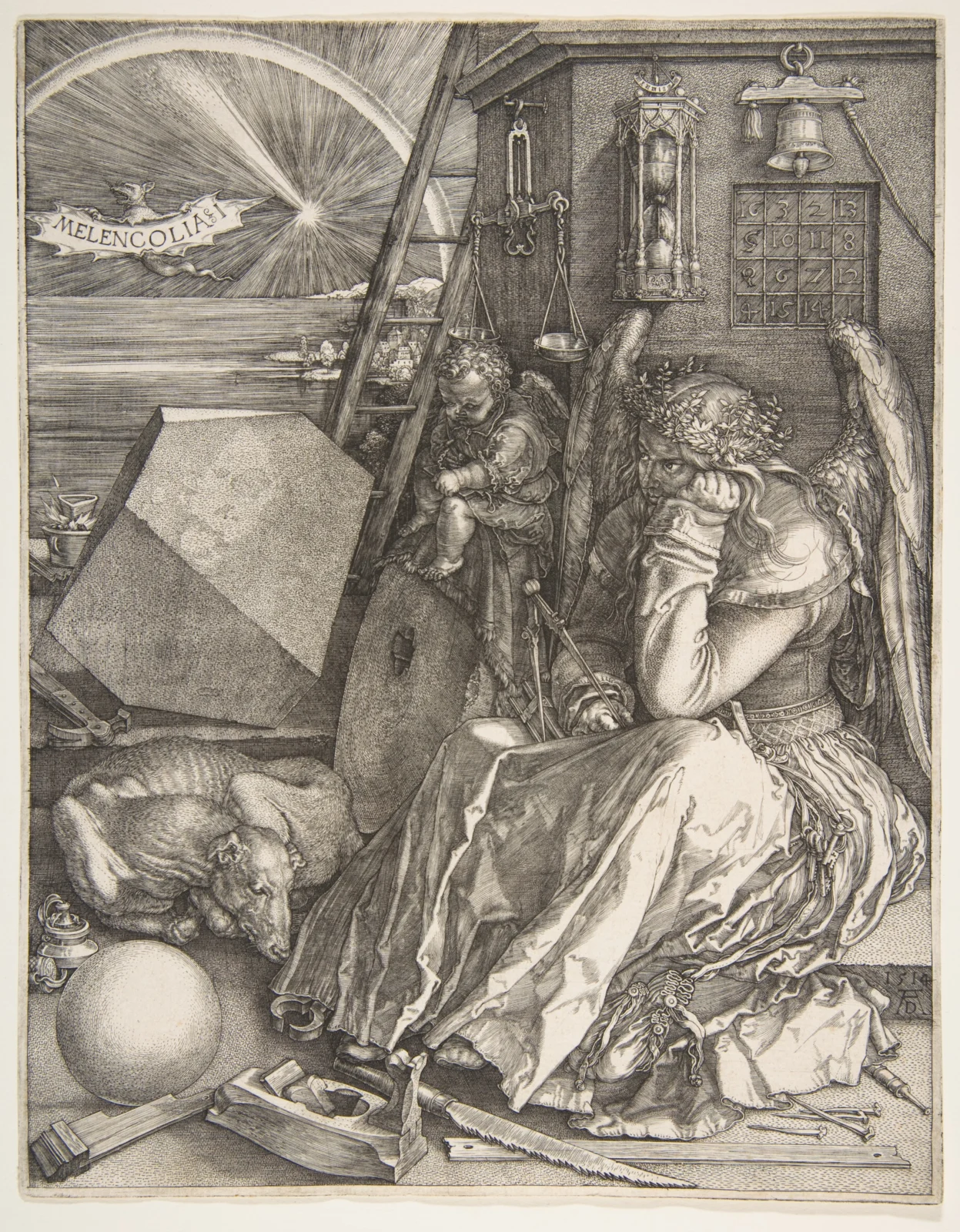
A framed print may conceal part of its sheet. Distinguishing the visible image from paper dimensions helps establish what is documented and what still needs…
Redazione Colucci Fine Art · 1 min read
Colucci Fine Art Editorial Team
Editorial date: 2026-10-21 · First published online: 18 November 2026
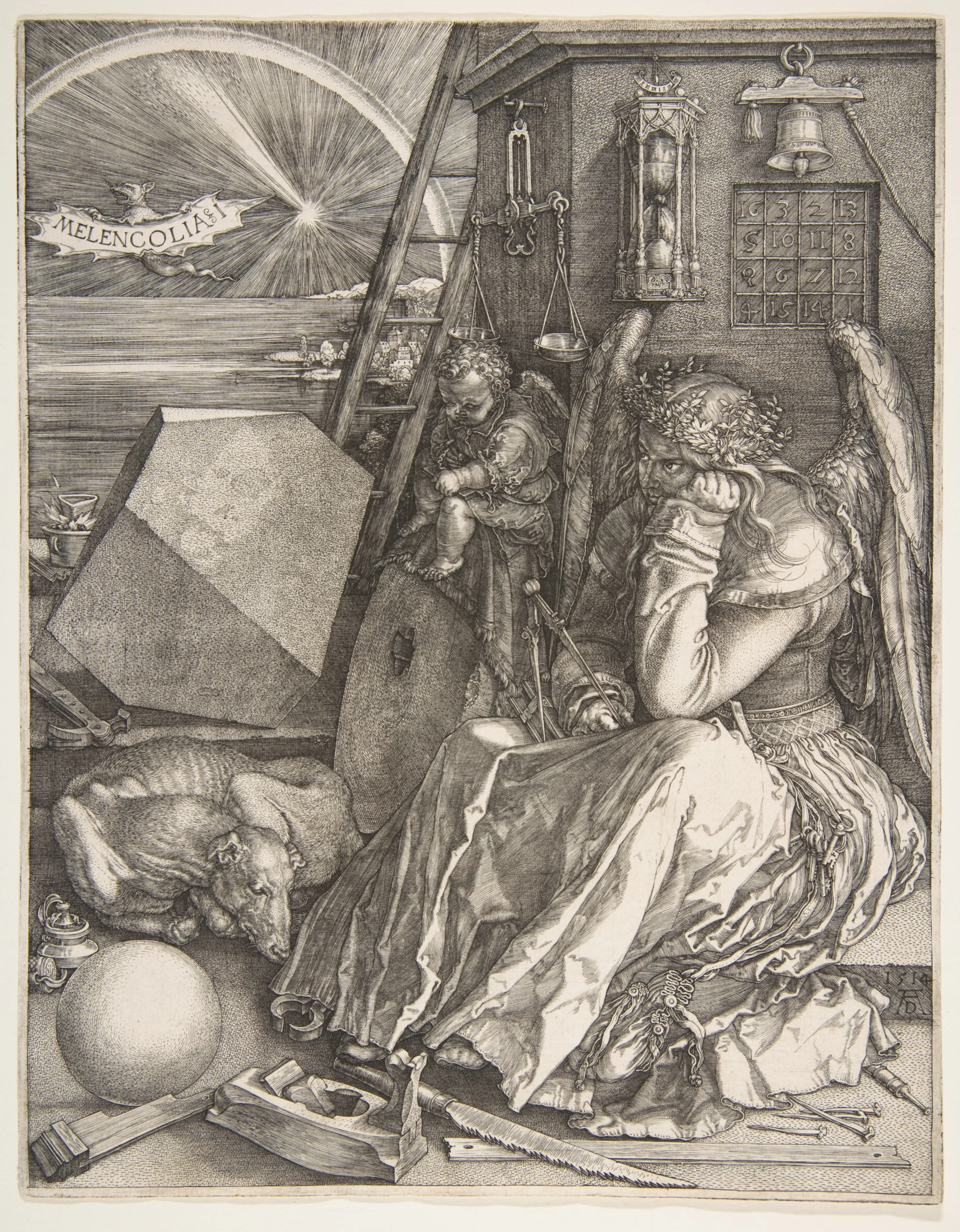
A framed print may conceal part of its sheet. Distinguishing the visible image from paper dimensions helps establish what is documented and what still needs examination for a valuation.
State the limits of the first view
Send a complete photograph of the mounting and details of visible signatures, numbers and inscriptions. If the mount covers the edges, say so: the opening alone cannot establish whether the sheet is intact or trimmed. Do not remove historic or adhered mounting without qualified help.
Ask which questions require examination outside the frame and who can undertake it. In market comparisons, distinguish image, plate and sheet dimensions. Similar descriptions may therefore represent different situations. Buyers should clarify these points before bidding rather than relying on an incomplete photograph.
Colucci Fine Art welcomes visitors by appointment in Balerna, Switzerland. To propose a work, send photographs and available documents. An initial indicative estimate for a possible sale does not replace direct examination or a written appraisal.
Request a valuation · Selling with Colucci Fine Art
Related reading: Artist’s proofs: why the abbreviation does not determine value