Insights · 18/11/2026
Artist’s proofs: why the abbreviation does not determine value
The words artist’s proof can raise expectations. Before drawing a commercial conclusion, establish how the example relates to the edition and what genuinely…
Redazione Colucci Fine Art · 1 min read
Colucci Fine Art Editorial Team
Editorial date: 2026-10-22 · First published online: 18 November 2026
The words artist’s proof can raise expectations. Before drawing a commercial conclusion, establish how the example relates to the edition and what genuinely distinguishes it.
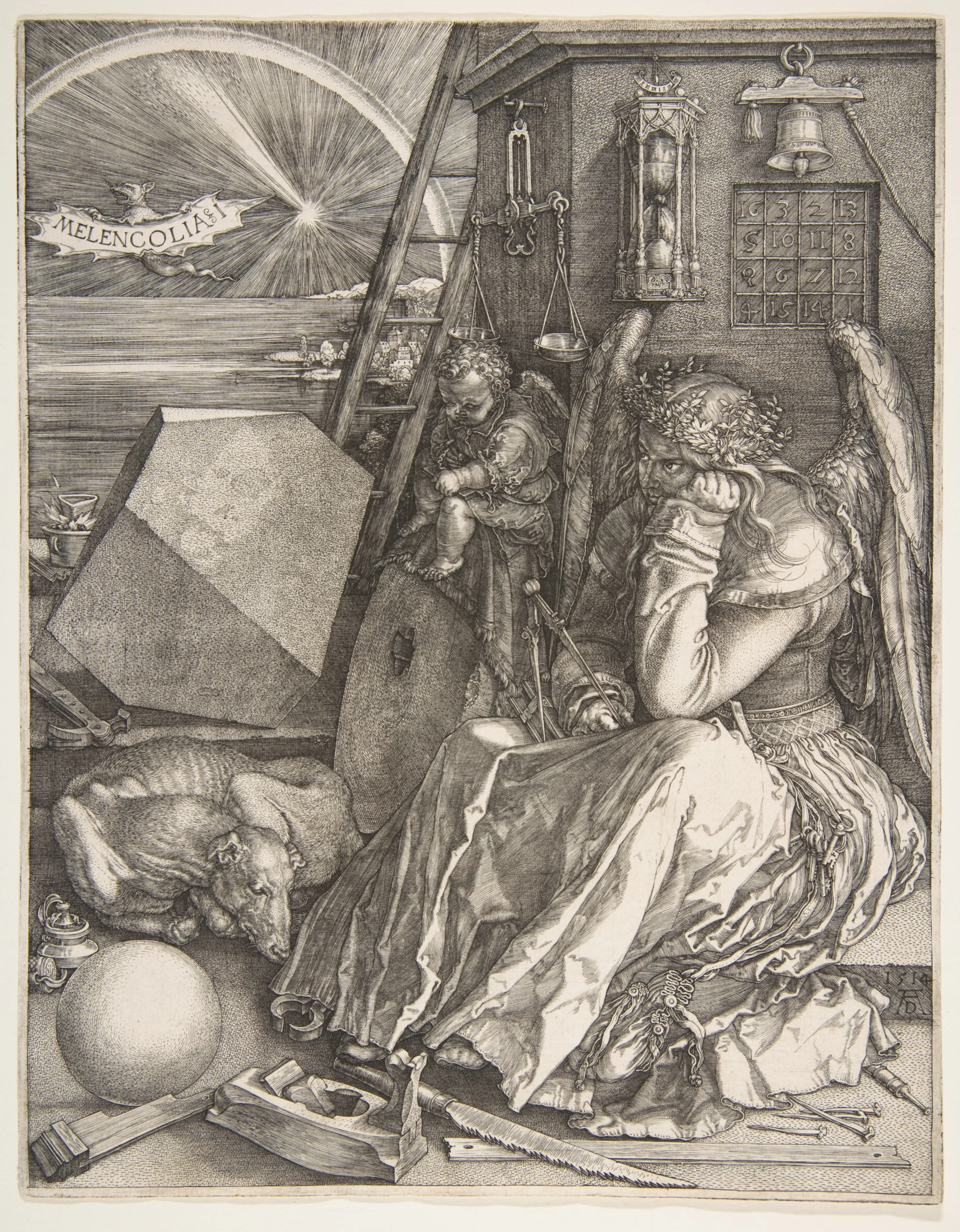
Read the sheet alongside its records
Transcribe the abbreviation exactly and gather the medium, publisher, printer, dimensions and date. Consult edition-specific documentation where available. Do not assume abbreviations are universally consistent or that a proof is necessarily unique.
For price comparisons, examine images, condition and descriptions of relevant examples. The designation replaces neither quality assessment nor condition examination and guarantees no premium. Describe documented distinctions precisely and keep hypotheses separate. A well-prepared valuation enquiry shows the complete sheet, not just the signature and numbering.
Colucci Fine Art welcomes visitors by appointment in Balerna, Switzerland. To propose a work, send photographs and available documents. An initial indicative estimate for a possible sale does not replace direct examination or a written appraisal.
Request a valuation · Selling with Colucci Fine Art
Related reading: A drawing on both sides: recording recto and verso