Insights · 18/11/2026
A drawing on both sides: recording recto and verso
The back of a sheet may contain another study, notes or collectors’ marks. A mounting may make it inaccessible. The record should describe what has actually…
Redazione Colucci Fine Art · 1 min read
Colucci Fine Art Editorial Team
Editorial date: 2026-10-23 · First published online: 18 November 2026
The back of a sheet may contain another study, notes or collectors’ marks. A mounting may make it inaccessible. The record should describe what has actually been observed without filling gaps with assumptions.
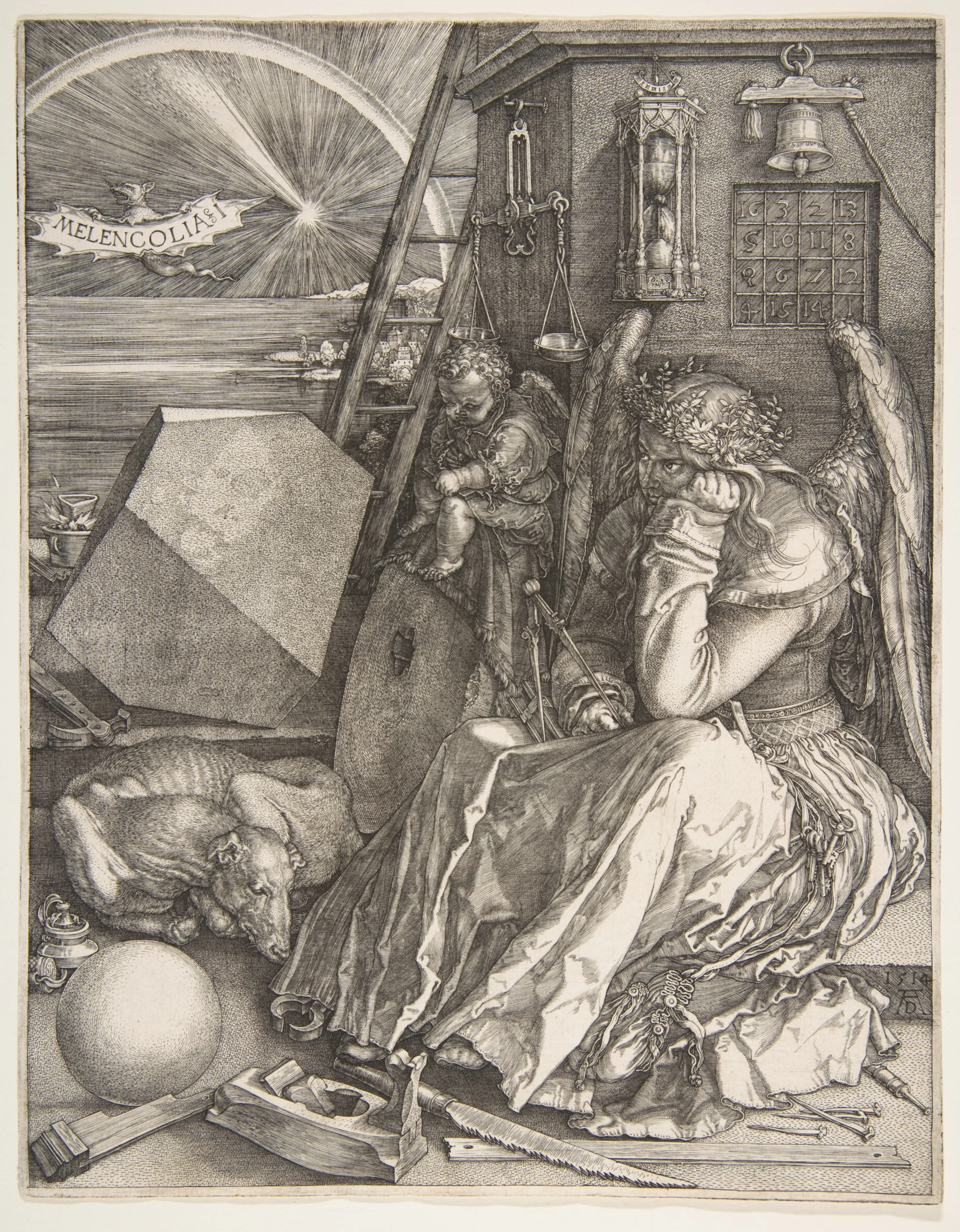
Two sides, one object
If both sides are safely visible, photograph them and label the files clearly. Identify each medium only where recognisable, and preserve previous descriptions. Do not detach the sheet from its support out of curiosity or merely to obtain photographs.
Compare the reverse with catalogues and records too: it may offer identifiers different from the main subject. For sale, explain which images belong to the same sheet so that one object is not presented as two works. A specialist can advise whether the mounting requires conservation assessment before the description is completed.
Colucci Fine Art welcomes visitors by appointment in Balerna, Switzerland. To propose a work, send photographs and available documents. An initial indicative estimate for a possible sale does not replace direct examination or a written appraisal.
Request a valuation · Selling with Colucci Fine Art
Related reading: Drawing albums: why the order of pages matters