Insights · 18/11/2026
Bronze sculpture: the model date is not always the casting date
A sculpture record may contain two chronologies: the conception of the model and the production of the physical example. Confusing them obscures the…
Redazione Colucci Fine Art · 1 min read
Colucci Fine Art Editorial Team
Editorial date: 2026-10-11 · First published online: 18 November 2026
A sculpture record may contain two chronologies: the conception of the model and the production of the physical example. Confusing them obscures the description and undermines comparisons with works on the market.
Keep two questions separate
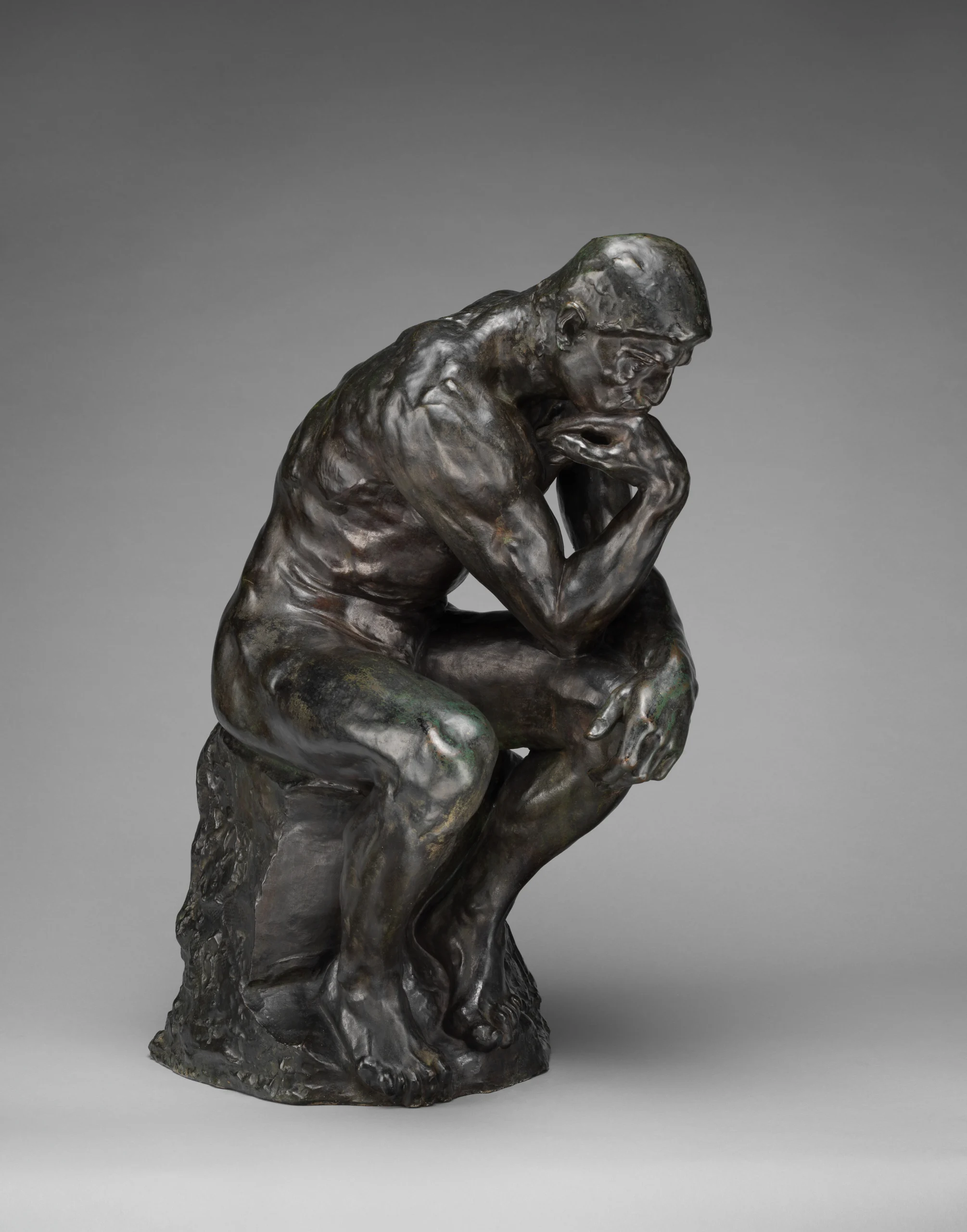
When was the model conceived, and what evidence dates this particular cast? An inscription should be transcribed without automatically treating it as the example’s production date. Catalogues, foundry records and ownership history may provide different information.
Photograph the figure, base, inscriptions and marks without dismantling anything. Separate documented dates from proposed dates in the dossier. Valuation comparisons should match version, dimensions and casting characteristics. A famous model does not make every bronze reproducing it interchangeable.
Colucci Fine Art welcomes visitors by appointment in Balerna, Switzerland. To propose a work, send photographs and available documents. An initial indicative estimate for a possible sale does not replace direct examination or a written appraisal.
Request a valuation · Selling with Colucci Fine Art
Related reading: A foundry mark: reading the detail in context