Insights · 18/11/2026
A foundry mark: reading the detail in context
A mark on bronze can guide research into production, but does not provide a complete answer about authenticity. It becomes meaningful when related to the…
Redazione Colucci Fine Art · 1 min read
Colucci Fine Art Editorial Team
Editorial date: 2026-10-12 · First published online: 18 November 2026
A mark on bronze can guide research into production, but does not provide a complete answer about authenticity. It becomes meaningful when related to the actual example, its documentation and the version of the model.
Record position and lettering
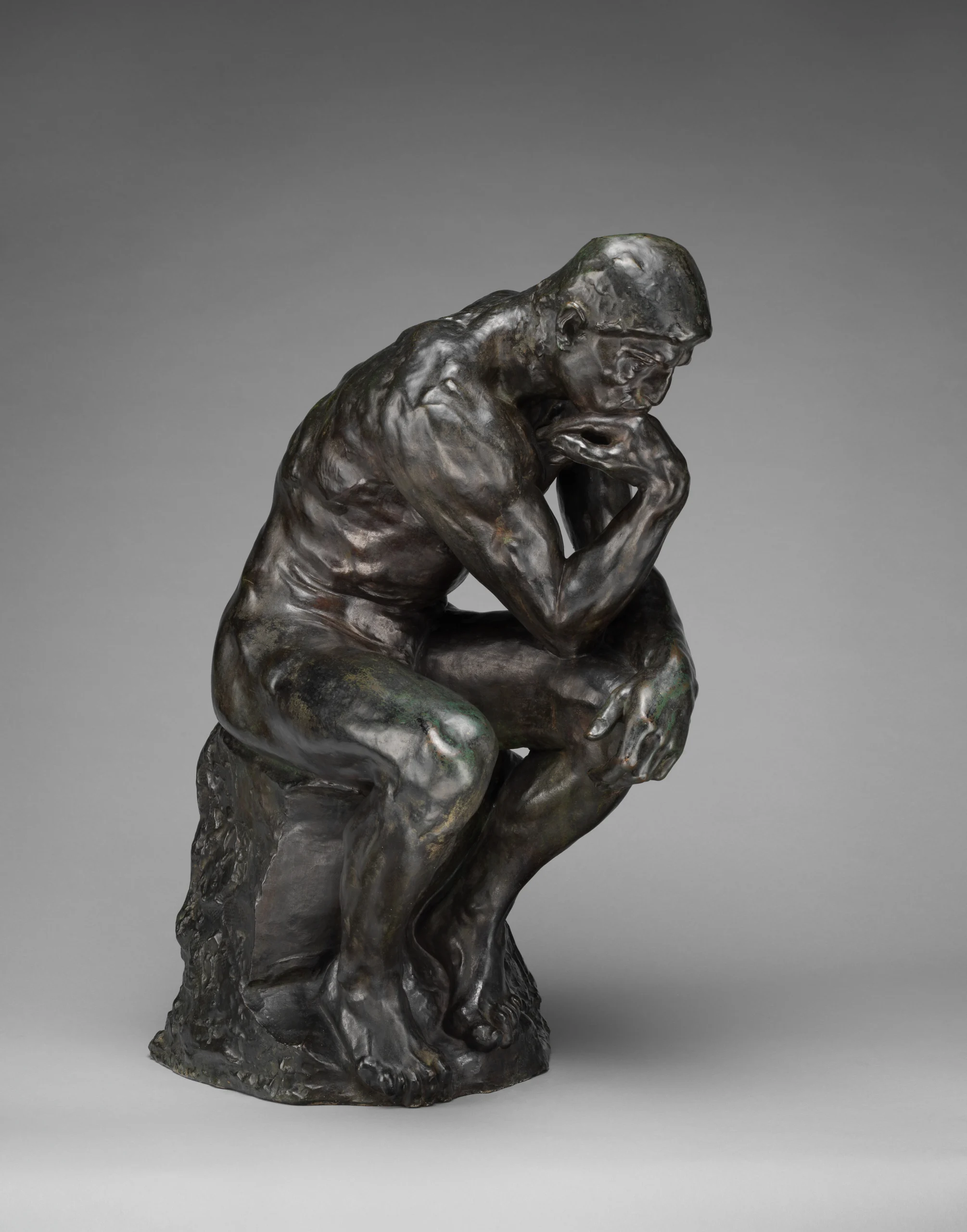
Accompany a close-up with a wider photograph showing where the mark appears. Transcribe letters, punctuation and numbers without normalising them. Note whether lettering appears raised or incised, without altering the surface to improve legibility.
Ask which records or publications provide relevant comparisons and what needs direct inspection. An online photograph of a similar mark does not replace this investigation. When offering a bronze, include full views and available documents: a detail should contribute to understanding the object, not become the sole basis of its valuation.
Colucci Fine Art welcomes visitors by appointment in Balerna, Switzerland. To propose a work, send photographs and available documents. An initial indicative estimate for a possible sale does not replace direct examination or a written appraisal.
Request a valuation · Selling with Colucci Fine Art
Related reading: Numbered sculpture: understand the edition before comparing prices