Art Market · 28/10/2026
Selling an Old Master painting in Switzerland: questions before consignment
Estimate, reserve, seller’s proceeds and sale terms: what to clarify before consigning an Old Master painting to auction or considering a private sale.
Colucci Fine Art · 4 min read

An inherited portrait, a view acquired decades ago, a canvas kept in storage: deciding to sell an Old Master painting often begins with a question about value. Before signing a consignment agreement, another question deserves equal attention: what exactly are you agreeing to? The estimate is only one part of the decision. Fees, insurance, transport, timing and the treatment of an unsold work should all be clear in writing.
Four figures with different meanings
The estimate is an indicative range based on such factors as attribution, condition, provenance and relevant market evidence. It is not a promise of a sale price. The reserve is the agreed minimum below which the work will not normally be sold at auction. The hammer price is the winning bid at the fall of the hammer. The seller’s net proceeds are what remains after the deductions specified in the agreement.
These figures should not be used interchangeably. A catalogue estimate does not tell you what will reach your account. Ask which charges are calculated as a percentage, which are fixed and which arise even if the painting does not sell. A high estimate may sound attractive, but it cannot be assessed separately from the proposed reserve and the full terms.
Questions to put in writing
Ask for a clear explanation of the seller’s commission and its calculation basis. Establish how applicable taxes on fees and expenses will be treated for your circumstances. Clarify when insurance begins and ends, the insured value, exclusions and responsibility for transport and packing. Ask whether photography, cataloguing, storage or withdrawal carry separate charges.
The agreement should also explain what happens if the painting remains unsold: when it can be collected, whether additional charges apply and whether a later private sale may be proposed. Confirm the intended auction date, the process for communicating the result and the conditions and timing of payment. These are questions to discuss with the relevant professionals, not standard terms that can be assumed to apply to every auction house.
This checklist is editorial guidance, not legal or tax advice. Where a contract or ownership situation is complex, obtain advice suited to the actual circumstances.
Comparing proposals fairly
Consider a hypothetical owner in Ticino with a small panel painting traditionally described by the family as seventeenth-century Flemish. Two potential sale proposals arrive with different estimates. Rather than choosing the higher figure immediately, the owner asks both parties about commission, transport, insurance, unsold charges and timing. The comparison becomes more useful because it concerns likely net proceeds and obligations, rather than headline estimates alone.
No calculation can remove uncertainty about bidding. Its purpose is to make the terms comparable and reveal which assumptions still need checking. An attribution inherited through family tradition should remain identified as such until examined.
Auction or private sale?
An auction brings a defined event and the possibility of competition among bidders. The outcome may become public, including an unsold result. A private sale usually involves a negotiated price and a more discreet process; its timing may be less predictable. Neither route is automatically better. The painting, the available evidence, the likely audience and the owner’s priorities all matter.
Consult selling with Colucci Fine Art to discuss the appropriate route. CFA’s 2027 auction programme is in preparation; the suitability and timing of any proposed consignment must be confirmed individually. The Old Master Paintings department works with clients in Switzerland and Italy.
Prepare the evidence before the estimate
Gather clear photographs of the front and back, dimensions and any surviving invoices, labels or provenance documents. Describe what is known and distinguish it from assumptions. ICOM’s Object ID offers an identification framework; it is not a certificate of authenticity or value. Examination of the original and further research may still be necessary.
You can request a free initial indicative valuation for a potential sale. Colucci Fine Art receives visitors by appointment at Via San Gottardo 98, 6828 Balerna.
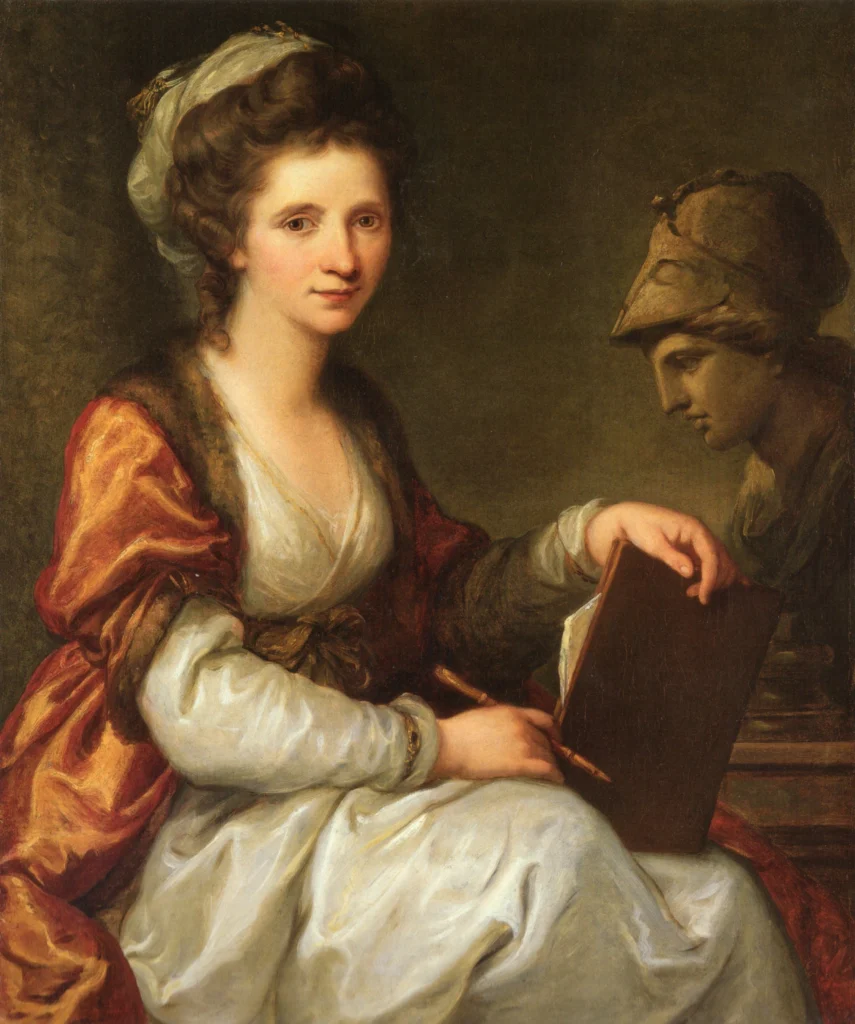
Opening image: Rembrandt, Self-Portrait, 1660. The Metropolitan Museum of Art, New York. Public domain, Open Access. Museum record. This museum work illustrates the article and is not offered for sale by Colucci Fine Art.
Colucci Fine Art editorial team