Insights · 28/10/2026
Valuing and selling a print: signatures, editions and the individual impression
How to document a print before valuation: technique, inscriptions, edition, margins and condition, with practical guidance for owners in Switzerland and Italy.
Colucci Fine Art · 3 min read
A print can seem instantly familiar: a celebrated composition, a signature below the image, a pencilled number. Valuation nevertheless concerns the individual impression, not simply the image. Two sheets depicting the same subject may differ in history, condition and production. Before offering a print for sale or auction, build a record that makes those distinctions clear.
The subject does not identify the impression
Finding a similar image online is not enough to transfer its price to your own sheet. A photograph may identify the composition without establishing when, how or by whom the impression was printed. Distinguish the designer, printmaker, publisher and printer when those roles are documented. A name printed from the plate is not automatically a handwritten signature.
Transcribe inscriptions in full, including small lettering beneath the image and notes on the reverse. Separate what appears on the sheet from what an earlier dealer’s label claims. A previous commercial description remains a reference to investigate, not a verified conclusion.
Technique, edition and state answer different questions
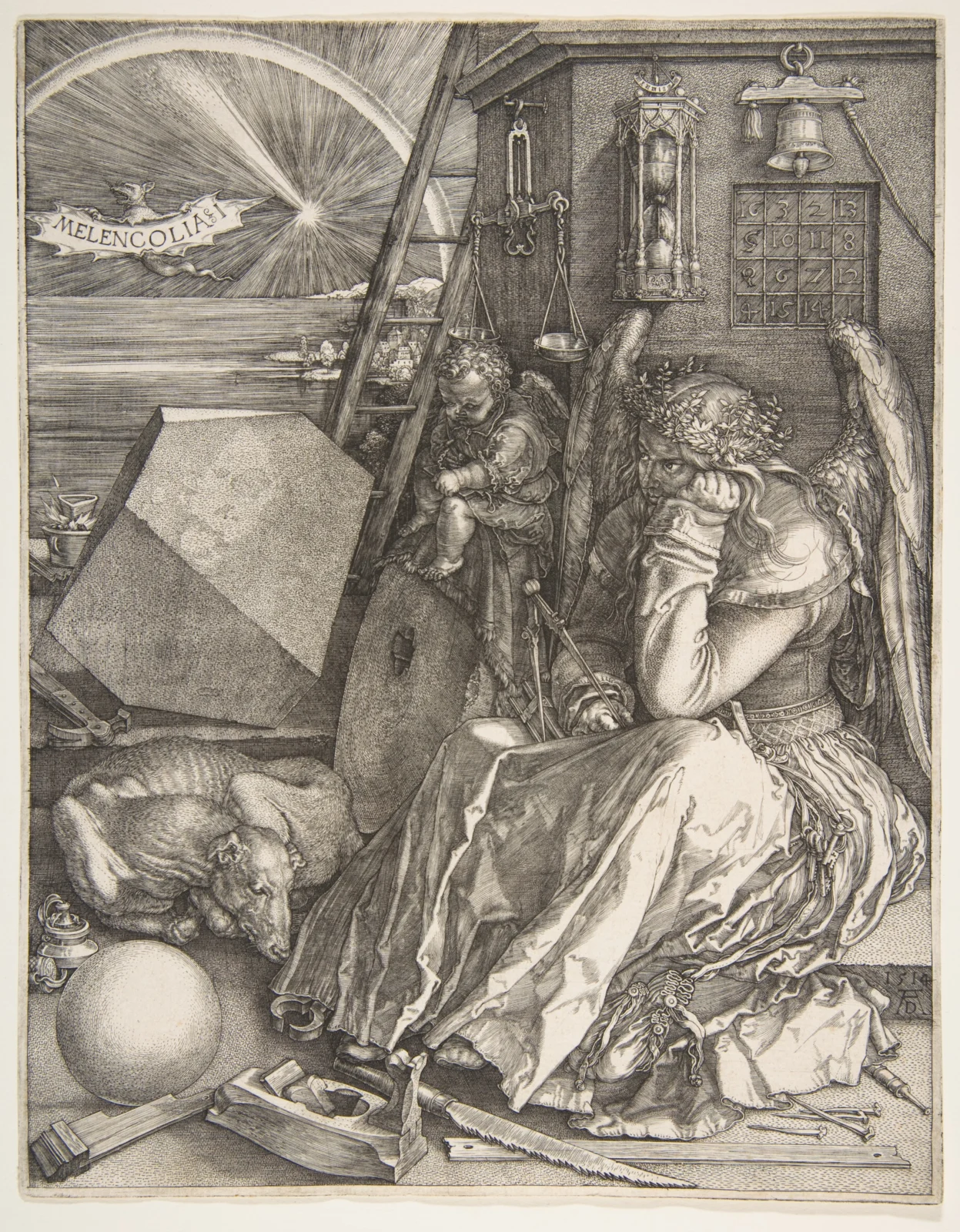
In engraving, lines are cut directly into a metal plate; etching uses a mordant. Both methods can occur in one print. Recognising the technique may require close examination and specialist comparison.
Photograph and transcribe a number such as “12/50”, but do not treat it as certification by itself. Ask which edition it refers to and what evidence supports that identification. Where a catalogue records different states, establish which alterations to the matrix distinguish the impression. The date of the composition does not automatically establish when a particular sheet was printed.
A useful market comparison therefore needs a genuinely comparable impression. The same title in an auction result is not enough to establish value.
Photograph margins, paper and inscriptions
Take an overall photograph of the sheet where visible, plus a view of the image and details of signatures, numbers, stamps and writing. Record sheet and image dimensions separately. If a mount conceals the margins, say that the measurement concerns only the visible opening. Do not dismantle a fragile mounting to complete the record.
Glass can produce reflections or conceal folds. State this limitation rather than digitally removing apparent defects. Heavy retouching can erase evidence needed for assessment. Clear files without filters, accompanied by separate details, are more useful for an initial enquiry.
Describe condition before intervening
Record visible stains, tears, folds, abrasions and adhesive traces. Do not attempt bleaching, washing or tape removal. A stain alone does not establish its cause or the appropriate treatment. A paper conservator can assess the next steps.
A modern frame may contain an old print, while an old frame does not establish the age of its contents. Keep descriptions of the mounting and the print separate. Link invoices, earlier photographs and conservation records to the same inventory reference.
Preparing a sale from Switzerland or Italy
For an owner in Ticino, another Swiss canton or Italy, the first step can be sending the dossier before arranging transport. Gather photographs, dimensions, inscriptions, purchase documents and unresolved questions. If you own a series, record each sheet and the group: completeness and relationships between works need examination rather than assumption.
The choice between private sale and auction depends on identification, documentation and the likely audience. Start with a valuation enquiry and consult selling with Colucci Fine Art. Visits to Balerna are by appointment. Acceptance and the method of sale are confirmed individually.
Technical references: The Metropolitan Museum of Art, Engraving and Etching. Dossier advice is editorial guidance.
Image: Albrecht Dürer, Melencolia I, 1514, engraving, second state. The Metropolitan Museum of Art, Fletcher Fund, 1919, 19.73.85. Public domain, Open Access. Museum record. A museum illustration, not offered for sale by CFA.
Colucci Fine Art editorial team