Insights · 18/11/2026
A dedicated print: documenting the words and recipient
A dedication can add a personal history to a print. Its significance must be reconstructed through the wording, recipient and available records, rather than…
Redazione Colucci Fine Art · 1 min read
Colucci Fine Art Editorial Team
Editorial date: 2026-10-25 · First published online: 18 November 2026
A dedication can add a personal history to a print. Its significance must be reconstructed through the wording, recipient and available records, rather than assuming a direct relationship merely because a name appears.
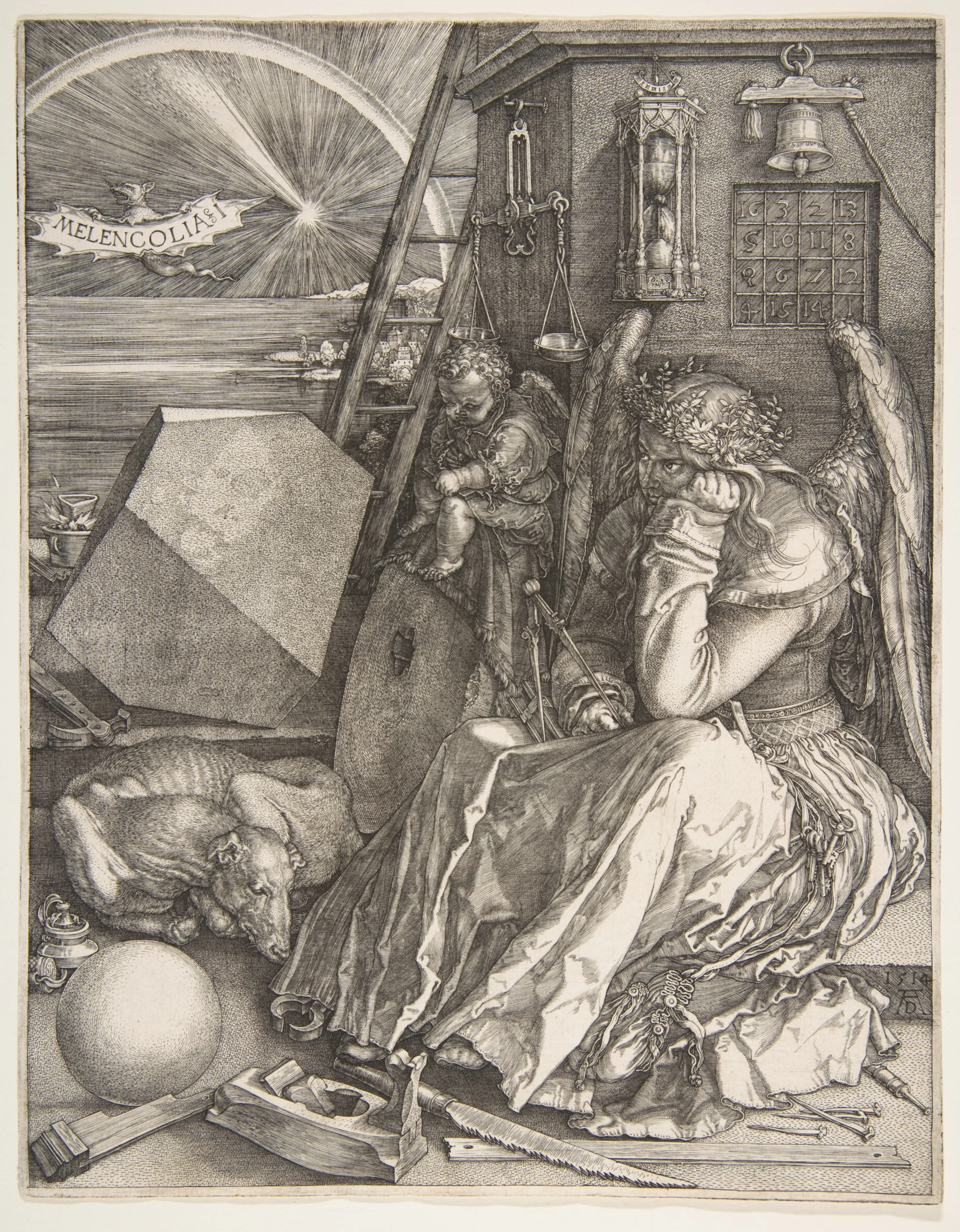
Transcribe carefully
Photograph the dedication and signature in the context of the sheet, recording words, date and abbreviations exactly. Distinguish an actual inscription from writing reproduced within the image. Preserve uncertainty where the reading is doubtful.
Look for letters, photographs or other evidence linking the recipient to the work. Family recollections are useful leads and should be labelled accordingly. A dedication alone guarantees no price premium: work, edition, condition and the documented relationship also matter. Presenting sheet and records together supports a fuller reading of its history.
Colucci Fine Art welcomes visitors by appointment in Balerna, Switzerland. To propose a work, send photographs and available documents. An initial indicative estimate for a possible sale does not replace direct examination or a written appraisal.
Request a valuation · Selling with Colucci Fine Art
Related reading: Before consigning: write down your expectations