Insights · 03/11/2026
Thun: Vintage Photographs and Prints—Dating the Object, Not the Moment Captured
Historical photography in Thun: distinguishing between the date an image was captured and the date it was printed; interpreting stamps and annotations; and exercising caution in estimation.
Colucci Fine Art · 2 min read
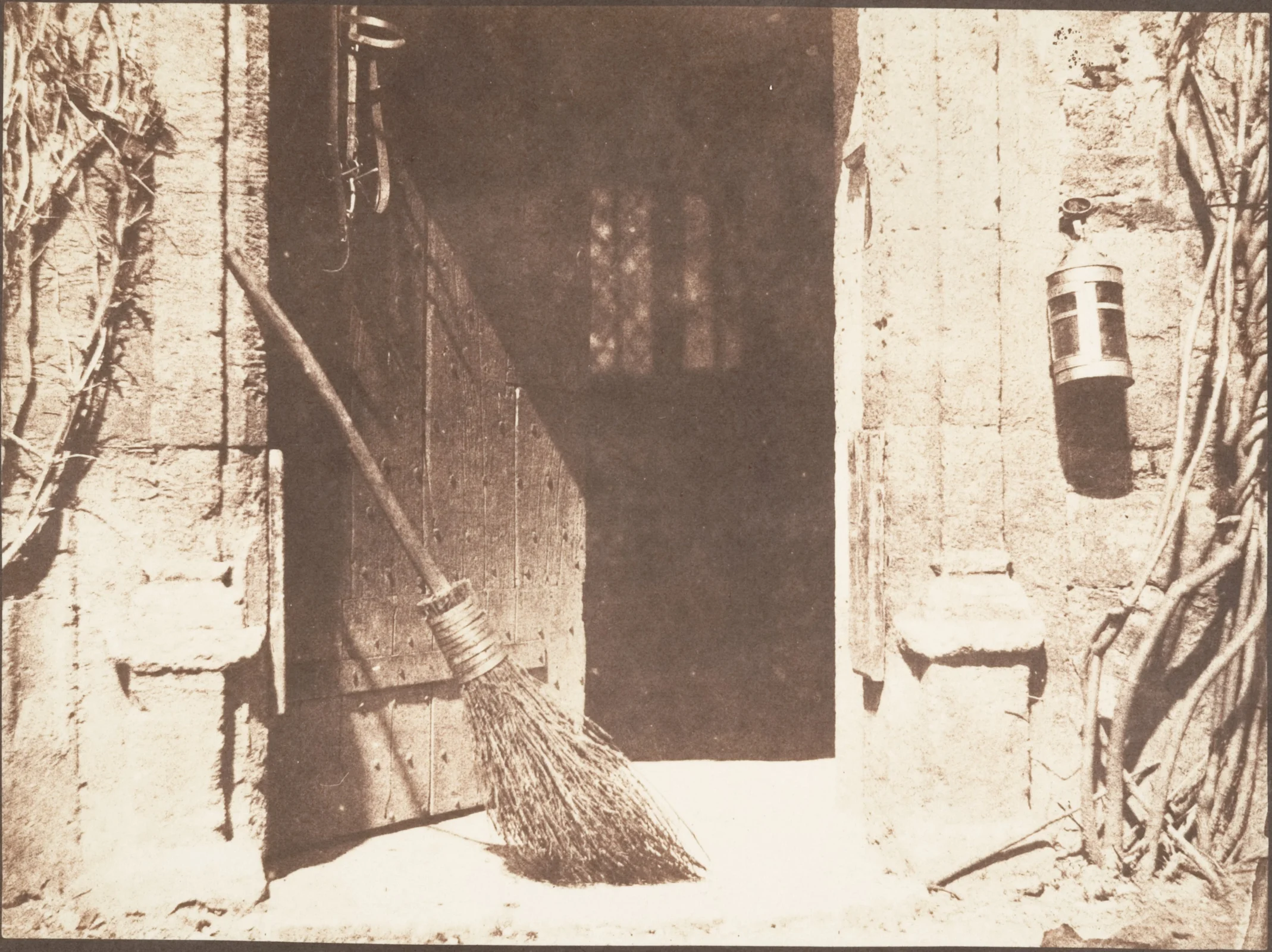
An antique photograph is not necessarily a print made at the same time the image was captured. In private collections in Thun—as elsewhere—one may find original period prints, later prints authorized by the photographer, archival copies, and commercial reproductions. Distinguishing between these is crucial when considering material authenticity, rarity, and value.
Vintage Prints vs. Later Prints
A photograph might document an event from 1940, yet have been printed several decades later. Both pieces of information are accurate, but they refer to different aspects. To evaluate the physical object, one must examine the paper, surface, format, margins, stamps, and any annotations. A date associated with the subject matter is not, by itself, sufficient to classify a print as “vintage.”
The Verso as a Key Source of Information
Agency stamps, archival numbers, labels, and handwritten notes can help reconstruct the history of a print. Any handwriting should be transcribed, but one should not automatically assume it belongs to the photographer; it could just as easily be the work of an editor, a collector, or a previous owner. Even a verifiable stamp requires careful assessment to confirm its specific relationship to that particular print.
Preservation and Market Comparisons
Signs of aging—such as yellowing, “silvering” (metallic sheen), creases, adhesive residue, or abrasions—can affect both the interpretation and the valuation of a photograph. When comparing items at auction, it is essential to distinguish between a vintage print, an authorized later print, and a reproduction, while also taking into account dimensions, subject matter, and overall condition.
A photograph of a famous person is not necessarily rare; one must verify the existence of other copies and the history of the specific image.
An example to guide valuation
Two photographs show the same scene. The back of the first bears an agency stamp consistent with the period, while the second features a modern laboratory label. Without establishing when they were produced, it would be a mistake to assign them the same value, even though the image itself is identical.
Documents to prepare
- High-definition images of both the front (recto) and back (verso)
- Details of any stamps, inscriptions, and the edges of the print
- The dimensions of the print, along with information regarding any secondary supports (mounts)
Does a signature on the back prove who took the photograph?
It is a detail to be analyzed, not a definitive conclusion. The signature must be verified and linked to the production process or the documented history of the print.
For an initial valuation with Colucci Fine Art
Colucci Fine Art & Auctions is based at Via San Gottardo 98 in Balerna, in the Canton of Ticino; it does not have a branch in Thun. Those wishing to submit a work may begin by providing photographs and documentation for an initial, preliminary valuation, intended to explore a potential sale. Details regarding the consignment process can be found in the selling with us section; arrangements for in-person examination, transport, insurance, and other necessary procedures are handled separately.
Colucci Art Magazine · Colucci Fine Art & Auctions editorial team | Editorial feature, not an individual appraisal.
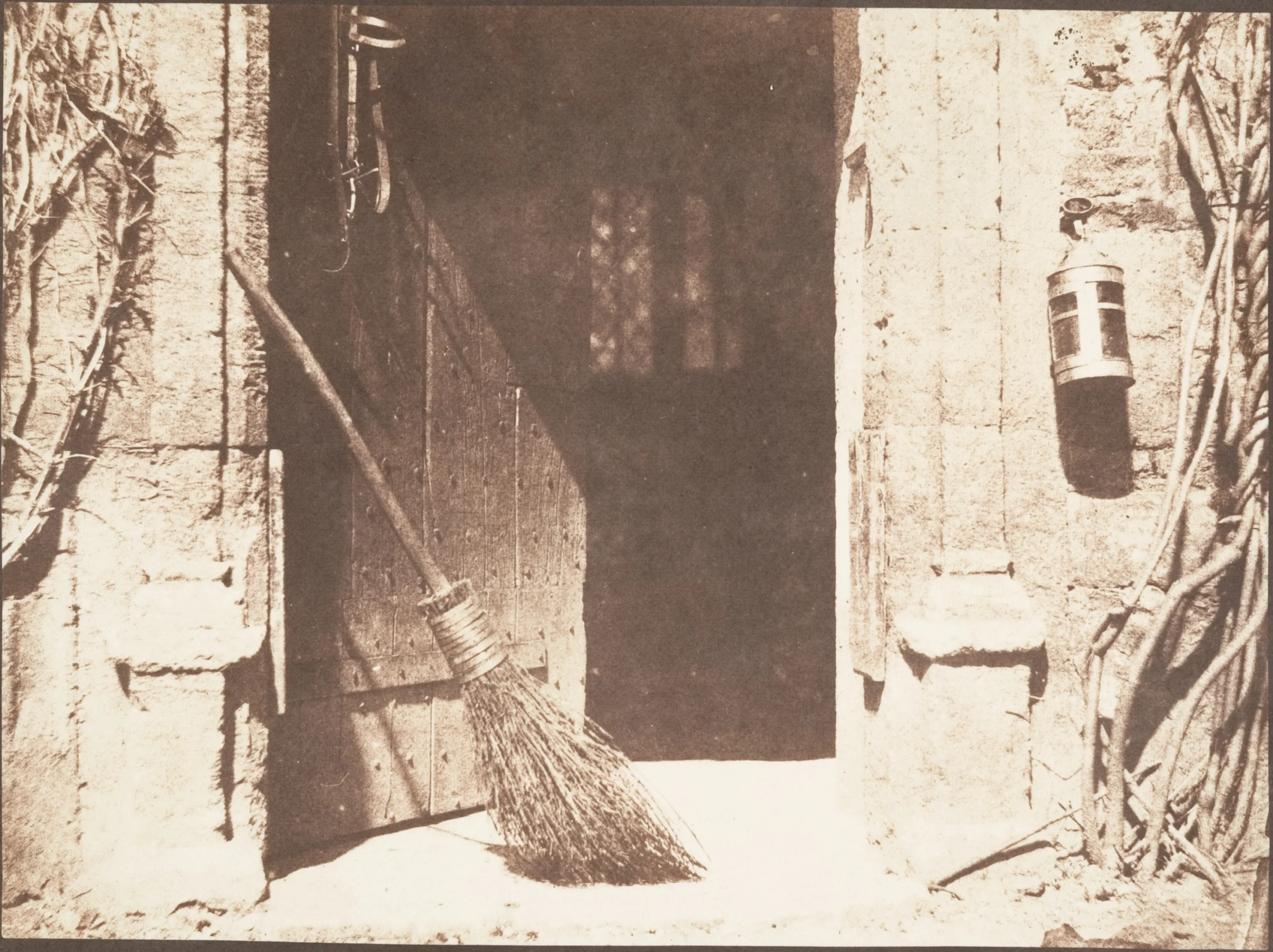
Image: The Open Door, before May 1844 — 2005.100.498. William Henry Fox Talbot · Public Domain / CC0 · The Metropolitan Museum of Art. Photograph reproduced with automatic resizing for web display.