Exhibitions & Museums · 28/10/2026
Rancate and the Züst collection: what an art collection can teach its owners
A collection becomes intelligible when its works cease to be isolated objects. A portrait enters into conversation with a drawing; a document clarifies a purchase; a donation preserves…
Colucci Fine Art · 2 min read
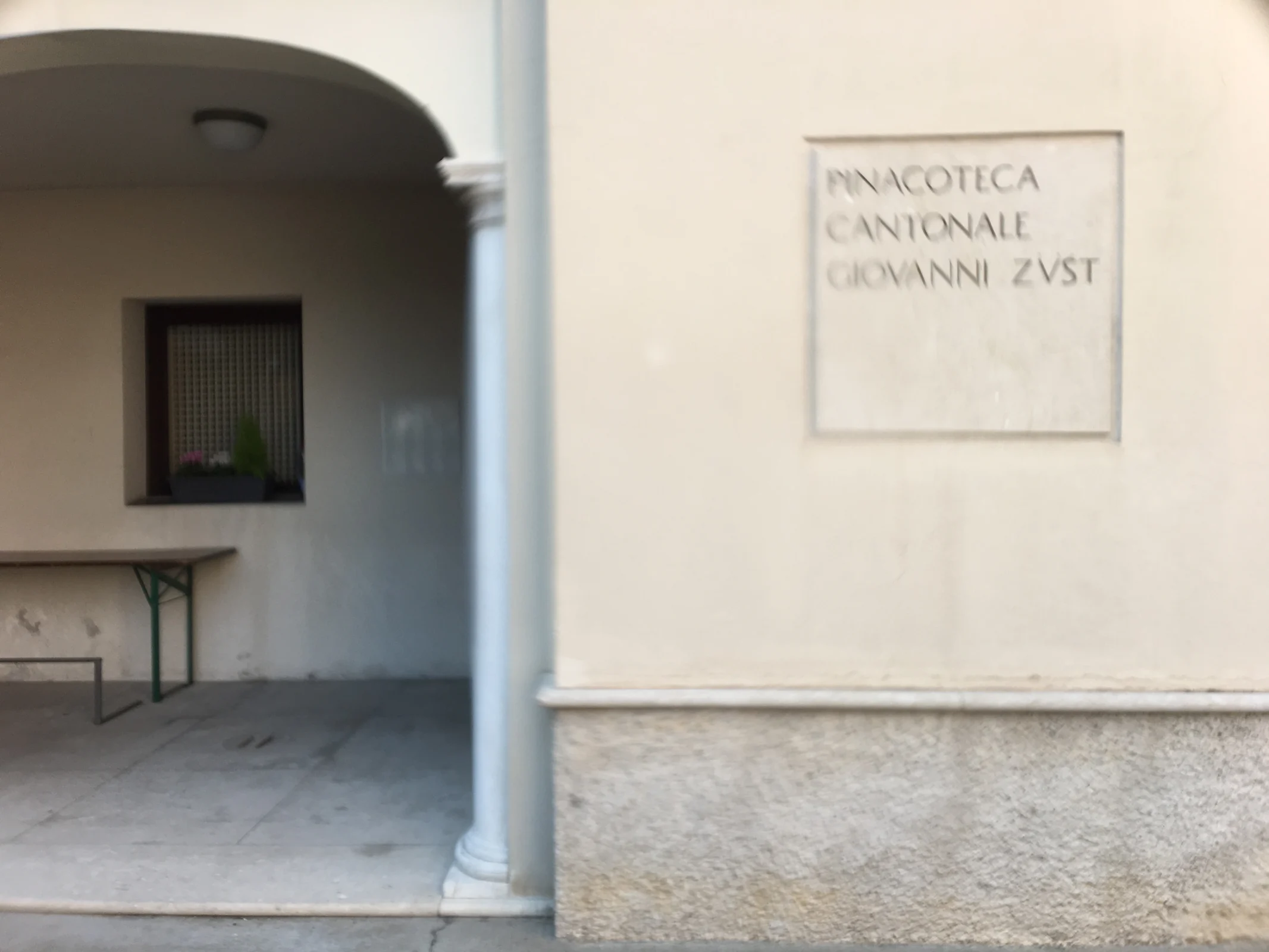
A collection becomes intelligible when its works cease to be isolated objects. A portrait enters into conversation with a drawing; a document clarifies a purchase; a donation preserves a group that might otherwise have dispersed. For owners of paintings in the Mendrisiotto, the Pinacoteca cantonale Giovanni Züst in Rancate offers a particularly tangible starting point.
From a private choice to a public collection
Giovanni Züst donated the original nucleus to the Canton in 1966. The collection brings together artists associated with Ticino from the seventeenth to the twentieth century, including Serodine, Petrini and a substantial group of works by Antonio Rinaldi. The museum’s account documents a history of selection and subsequent additions.
The lesson for a private collection is specific: record why a work entered the home, who sold it and what information accompanied it. An owner’s taste belongs to the history of the group, but should be distinguished from evidence about each object’s authorship, date and provenance.
Visit with a question
Rather than immediately looking for a painting that resembles your own, choose a problem. How is a face constructed? What connects figure and background? Does a drawing preserve a stage of investigation different from the finished painting? Recording the catalogue title, medium and inventory number makes later comparison verifiable.
Similarities in subject or brushwork cannot establish an attribution on their own. Familiarity can also mislead: copies, reproductions and adaptations circulate far beyond an artist’s home region.
Before dividing or selling a collection
Photograph the group in its present arrangement, then each work separately. Connect photographs to invoices, letters and earlier inventories using a stable reference code. If two paintings have compatible frames, dimensions or histories, record the possible relationship without presenting it as certain. Decisions about individual sales become clearer once the collection’s context is understood.
The museum is an independent cultural reference here. It does not automatically authenticate or endorse private works mentioned in a valuation enquiry. When approaching CFA with a painting, the useful material is your own work’s dossier, rather than an unreferenced comparison photograph.
Presenting a work to Colucci Fine Art
For an initial discussion, send clear front and back photographs, dimensions and available documents through our valuation enquiry. To discuss a possible consignment, see selling with CFA. Our premises are in Balerna, Ticino; an initial review of the documentation precedes any decision about a sale.
Sources and further reading
Image: Pinacoteca Cantonale Giovanni Züst 01. Iolanda Pensa · CC BY-SA 3.0 · Wikimedia Commons. Photograph reproduced with automatic web resizing.
CFA Editorial