Insights · 18/11/2026
Bronze or patinated metal? Describe a sculpture without guessing
A statuette’s brown colour does not establish its material. Patinated or coated surfaces can make different objects look alike, and an impression of weight…
Redazione Colucci Fine Art · 1 min read
Colucci Fine Art Editorial Team
Editorial date: 2026-10-14 · First published online: 18 November 2026
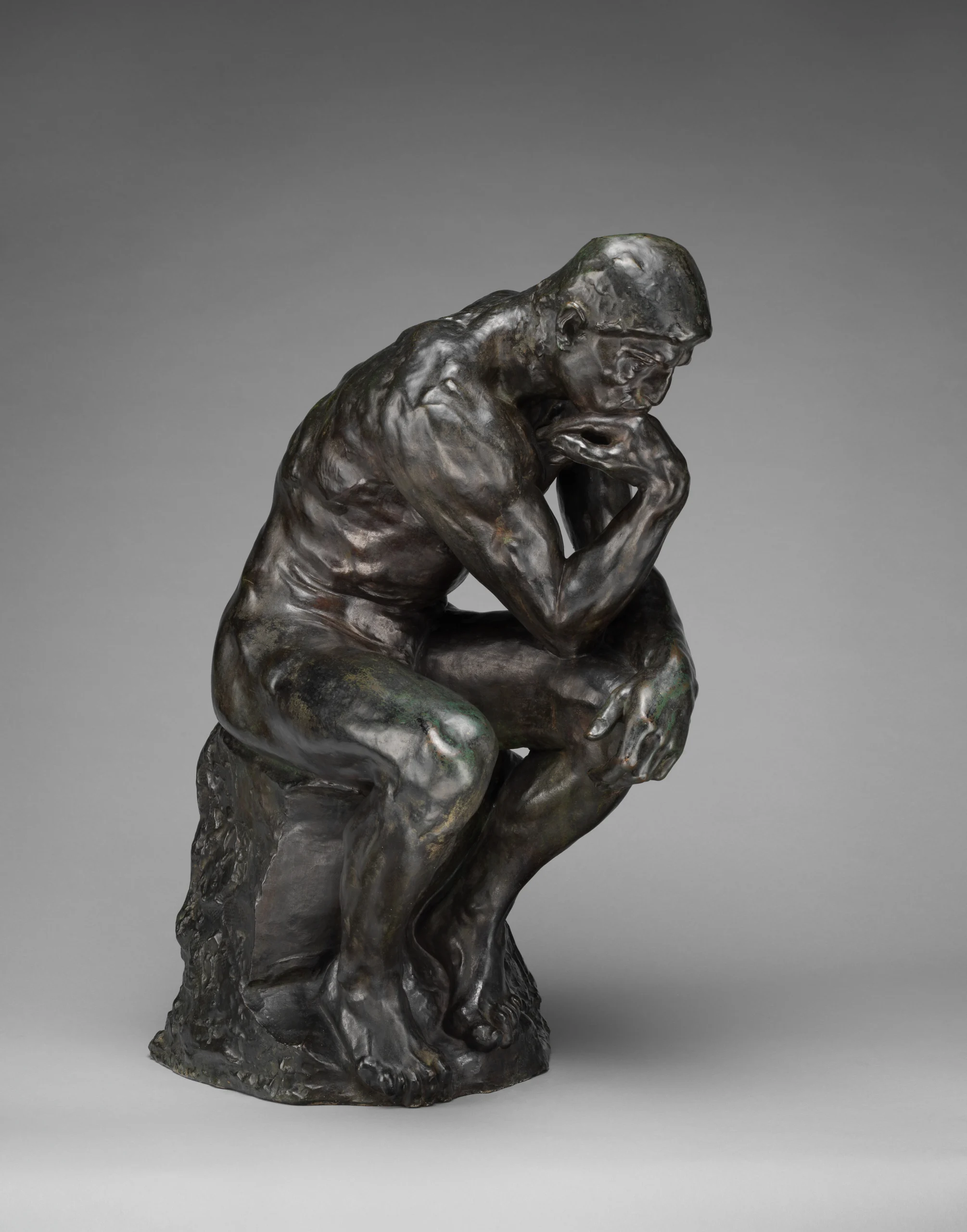
A statuette’s brown colour does not establish its material. Patinated or coated surfaces can make different objects look alike, and an impression of weight does not settle the question either.
A cautious first record
If the material is undocumented, describe the work as a metal sculpture requiring examination. Send overall views, the base and any already visible surface variations. Do not scratch, file or apply products to expose the underlying metal.
A specialist can advise whether direct inspection or technical analysis is needed. Even after material identification, authorship, manufacture, date and condition remain to be studied. Accurate descriptions enable meaningful sale comparisons: results for documented bronzes cannot automatically be applied to an object whose material is still uncertain.
Colucci Fine Art welcomes visitors by appointment in Balerna, Switzerland. To propose a work, send photographs and available documents. An initial indicative estimate for a possible sale does not replace direct examination or a written appraisal.
Request a valuation · Selling with Colucci Fine Art
Related reading: A sculpture kept outdoors: documenting its environment