Insights · 28/10/2026
Zurich and provenance: a painting’s second history
Labels, catalogues and ownership changes: from Zurich to the dossier of a private collection, before assessing or selling a work.
Colucci Fine Art · 3 min read
In front of a landscape we often look for a point of entry: a path, a tree, a gap between houses. To reconstruct the painting’s history, the starting point may be less obvious: a pencilled number, part of a label, a line in a catalogue. Provenance begins when attention moves from the image to the object.
The Zurich context
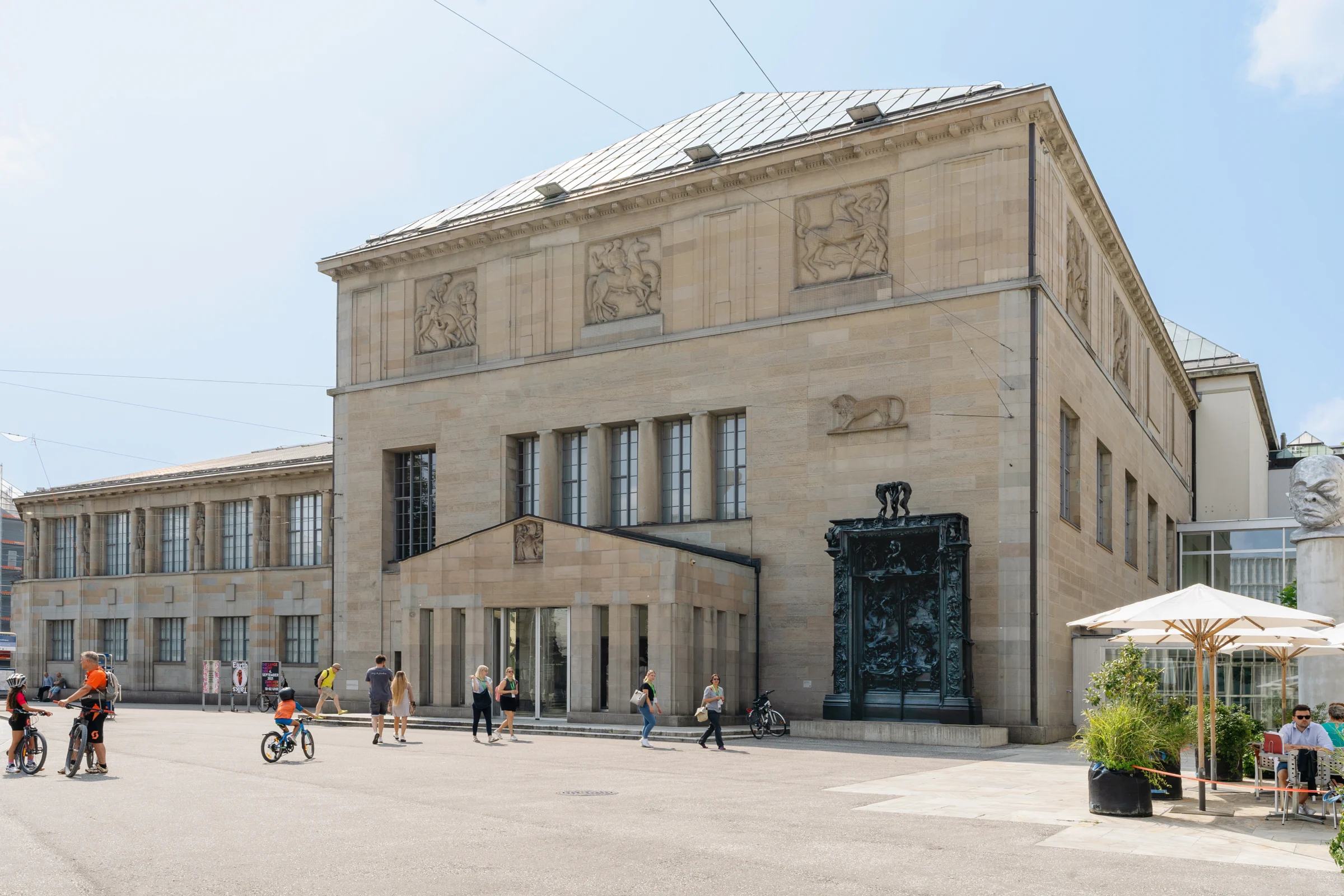
Kunsthaus Zürich publishes provenance research through its online collection and provides archival resources. Its work reminds us that ownership history is more than decoration added to a catalogue entry: it can change our understanding. The institution is a methodological reference here, with no affiliation to CFA.
For a private collection in Canton Zurich, the first question is practical: which connections are documented and which are inherited accounts? “Always in the family” is testimony worth recording, not a complete sequence. A secure date, even a recent one, provides a point from which to work backwards.
One painting, several documentary identities
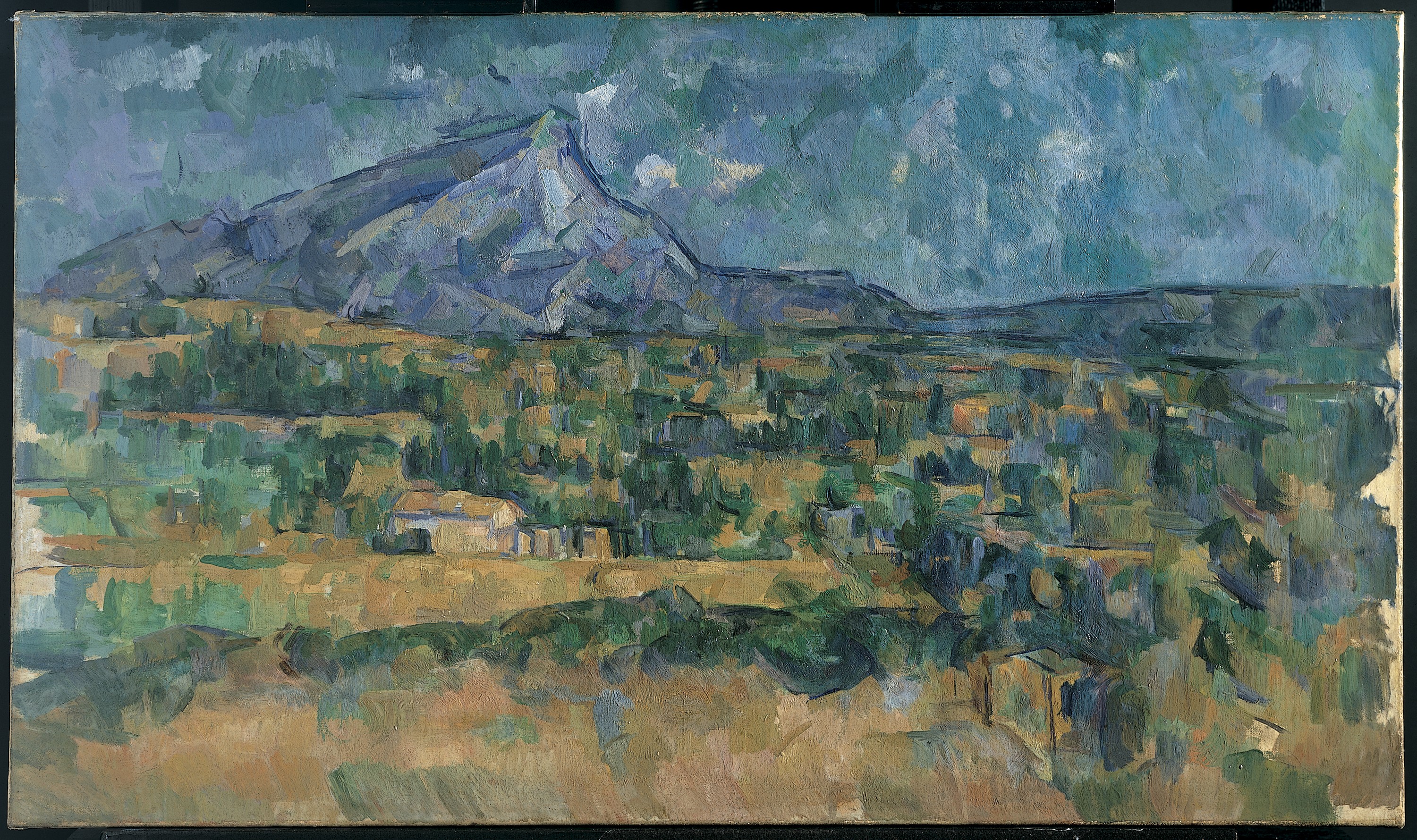
In the Cézanne landscape illustrated here, the mountain emerges through areas of colour that retain the visible presence of paint. An older description might focus on the subject, another on colour, and a third simply say “landscape”. A title alone cannot securely connect documents to objects.
Useful comparison combines dimensions, medium, the shape of the support and recognisable details. An inventory number can be decisive when its collection is identified; separated from that system, it remains a clue. Even a black-and-white photograph can help, provided similarities are checked across the whole composition.
A chronology should show its gaps
Prepare a table with four columns: date, person or place, document and degree of certainty. An invoice establishes what it actually records; it does not automatically certify every earlier transfer. Keep a family note with the name of its writer, where known, and distinguish it from evidence contemporary with the events.
Gaps should not be filled with prestigious names borrowed from similar paintings. If a period requires investigation, identify it explicitly. Serious research can advance through small corroborations and may correct an earlier reconstruction.
Before valuation and sale
Preserve complete photographs of the reverse, readable labels, invoices and bibliographical references. Do not remove labels or open fragile mountings to search for an answer. A dossier accompanies examination of the work; it neither replaces that examination nor guarantees a price.
CFA receives clients in Balerna and can review initial documentation for works kept in Canton Zurich. Clarifying provenance helps determine what further research is needed before discussing valuation, private sale or possible auction consignment.
Presenting a work to Colucci Fine Art
For an initial discussion, send clear front and back photographs, dimensions and available documents through our valuation enquiry. To discuss a possible consignment, see selling with CFA. Our premises are in Balerna, Ticino; an initial review of the documentation precedes any decision about a sale.
Sources and further reading
Image: Kunsthaus Zürich — edificio Moser, fotografia del 2021. Kunsthaus Zürich MarKom · CC BY-SA 4.0 · Wikimedia Commons. Photograph reproduced with automatic web resizing.
CFA Editorial