Insights · 29/10/2026
Zug and Vienna: a collection shaped by relationships
The Kamm story offers a way to consider artworks, correspondence and collecting decisions together.
Colucci Fine Art · 2 min read
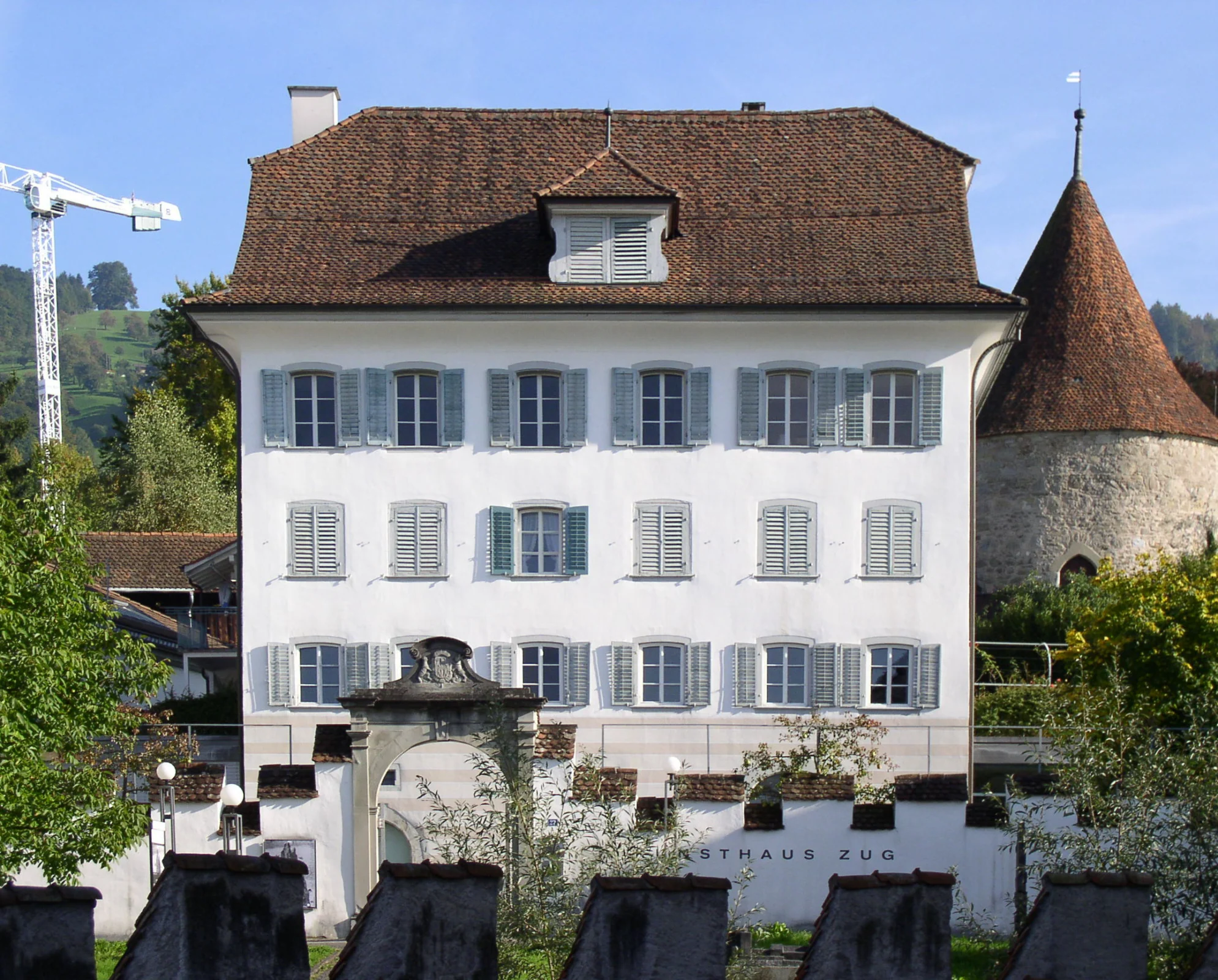
A collection does not always follow the geography we expect. In Zug, Viennese modernism finds a Swiss vantage point. Its interest concerns not only individual names but the relationships and choices through which a recognisable ensemble takes shape.
The Kamm collection in the 1950s
According to Kunsthaus Zug, the Kamm family began collecting in the 1950s, with links to Vienna’s Würthle gallery and advice from sculptor Fritz Wotruba. The museum’s collection appears in thematic exhibitions rather than a complete permanent display.
This history suggests a useful question for smaller collections: what connected the purchases? An artist, a personal relationship, recurring travel or an interest in drawing? Documents that seem peripheral may supply important answers.
Letters beside paintings
An invitation, postcard or receipt may establish a contact. A relationship with a gallery, however, is different from acquiring a particular object there. A letter that does not identify the painting cannot automatically prove its provenance. Keep possible connections separate from established ones.
For each document, record sender, recipient, date and any work mentioned. Do not crop interior photographs to isolate a painting: the surrounding arrangement may identify other objects and a stage in the collection’s development.
Work, edition or reproduction?
Modern collections may contain paintings, drawings, prints and publications. An artist’s name on a portfolio cover does not establish that every sheet is an original drawing. Photograph colophons, numbering and title pages alongside individual contents. Leave the description open when the medium is uncertain.
Applied arts objects also require their own records: dimensions, materials, marks and condition cannot be replaced by stylistic resemblance. A visual dialogue between furniture and a painting does not demonstrate a shared origin.
Before dividing a collection in Zug
Begin a sale discussion with CFA by sending an overview and a list of available documents. This helps determine which objects deserve further research and which route may suit them. CFA operates from Balerna. Zug is the location discussed here, not a CFA branch. The institutions and family mentioned are not presented as clients or partners.
Presenting a work to Colucci Fine Art
For an initial discussion, send clear front and back photographs, dimensions and available documents through our valuation enquiry. To discuss a possible consignment, see selling with CFA. Our premises are in Balerna, Ticino; an initial review of the documentation precedes any decision about a sale.
Sources and further reading
Image: Kunsthaus Zug, veduta esterna del 2005. Baikonur; correzione prospettica Till.niermann · CC BY-SA 3.0 · Wikimedia Commons. Photograph reproduced with automatic web resizing.
CFA Editorial