Insights · 28/10/2026
Villa Olmo in Como: Simone Cantoni and the dialogue between architecture and collections
An ordered façade, a garden facing the water, a succession of rooms: in the houses of Lake Como, art can also be understood through the spaces around it…
Colucci Fine Art · 2 min read
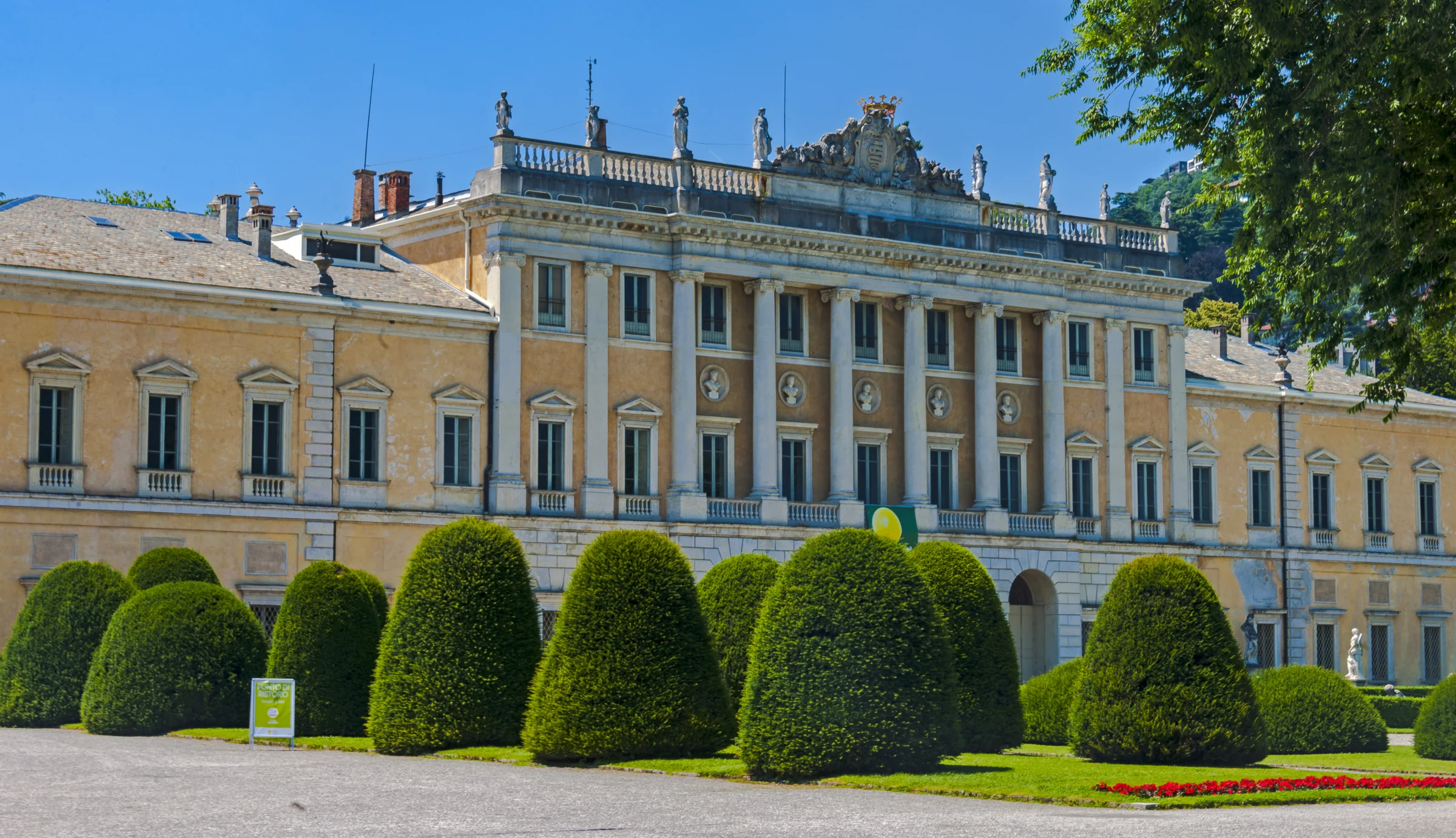
An ordered façade, a garden facing the water, a succession of rooms: in the houses of Lake Como, art can also be understood through the spaces around it. Villa Olmo provides a starting point for looking more carefully at paintings, sculpture and furniture that belong to the histories of homes.
A villa is not a frozen image
Simone Cantoni’s design and the subsequent nineteenth-century alterations documented by Lombardia Beni Culturali remind us that historic buildings develop in layers. Today’s cultural use differs from the original residence. The arrangement of a private collection can likewise change substantially between generations.
A photograph of a drawing room is therefore dated evidence, not proof that every object always belonged there. A painting may have moved, a frame been replaced, a pair of pieces separated. Reconstructing these changes means comparing images, inventories and documents without filling gaps with an overly seamless story.
Look at the room before isolating the objects
For owners of collections between Como and the Mendrisiotto, a useful first step is to photograph the whole room. Temporary object numbers can then be added to a plan or a copy of the photograph, without sticking labels to original surfaces. Individual photographs will remain connected to a documented location.
A console beneath a mirror does not necessarily form an original ensemble. Proportions, materials and decoration may suggest a relationship; invoices, inventories or earlier photographs may support it. Without that evidence, describe the arrangement rather than assigning a shared provenance.
From context to valuation
The prestige of a residence does not automatically establish the value of its contents. Assessing paintings and furniture requires examination, condition, attribution and relevant comparisons. Preserving context does, however, help owners ask better questions and present a collection accurately.
Villa Olmo is an independent cultural reference here. This article implies neither a commercial relationship with the villa nor the availability of its collections for sale. For privately owned objects, a dossier can instead begin a discussion with CFA about a possible sale or consignment.
Presenting a work to Colucci Fine Art
For an initial discussion, send clear front and back photographs, dimensions and available documents through our valuation enquiry. To discuss a possible consignment, see selling with CFA. Our premises are in Balerna, Ticino; an initial review of the documentation precedes any decision about a sale.
Sources and further reading
Image: Villa Olmo front facade, Como. Daniel Case · CC BY-SA 3.0 · Wikimedia Commons. Photograph reproduced with automatic web resizing.
CFA Editorial