Insights · 28/10/2026
Valuing a bronze sculpture: model, casting and documentation
How to prepare a bronze for assessment: distinguish model and casting dates, record inscriptions and assemble evidence before considering a sale.
Colucci Fine Art · 3 min read
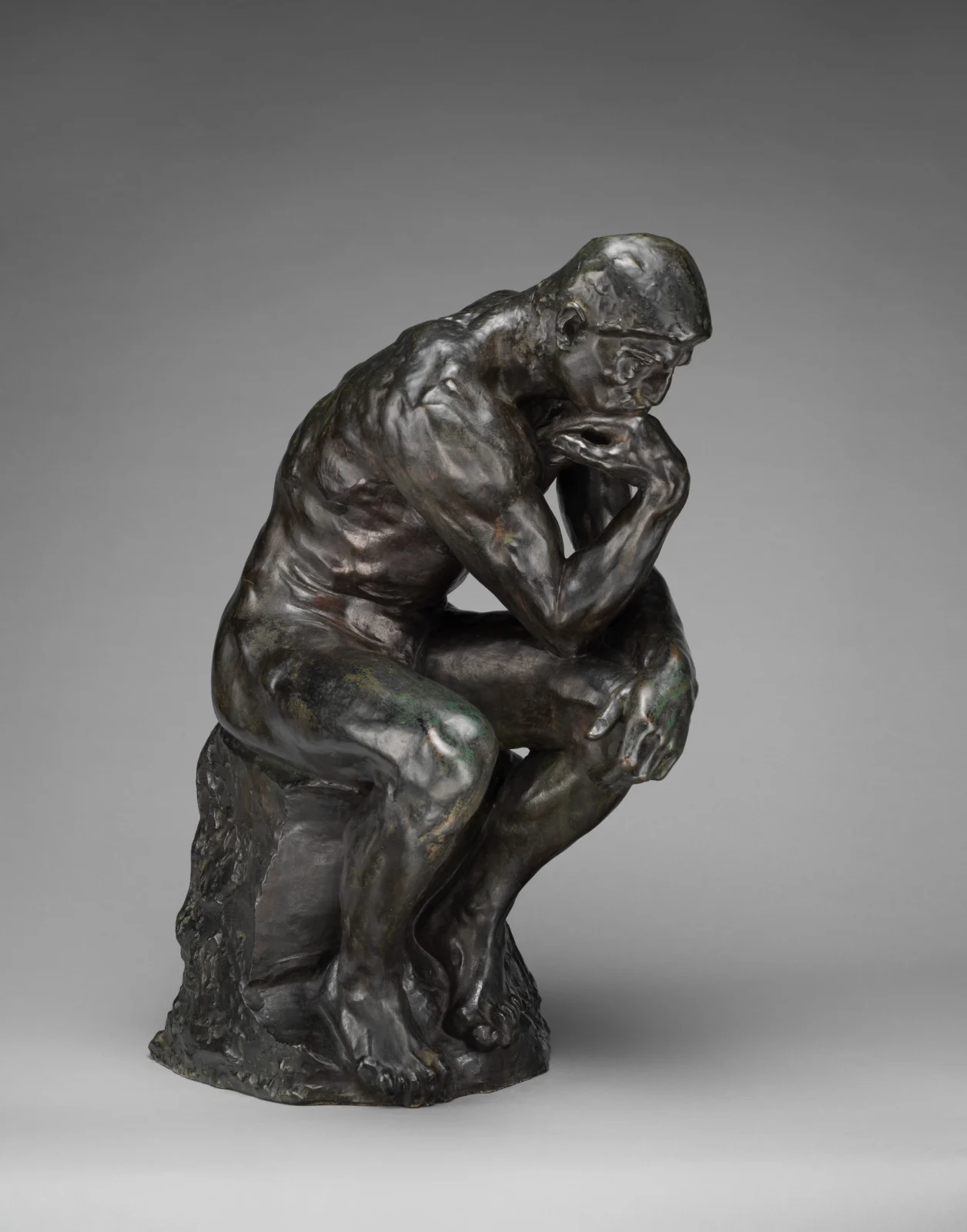
A bronze sculpture asks to be viewed from every side. A frontal photograph records its subject but omits much of what matters for valuation: the back, base, inscriptions, dimensions and casting documentation. Before selling, separate three questions: who conceived the model, when this particular example was made and what evidence connects it to that history.
The model and the cast have different dates
The Metropolitan Museum records its example of Rodin’s Thinker with a model dating to around 1880 and a cast dating to around 1910. Recognising a composition therefore does not, by itself, date the bronze in front of you.
Record dates only with their documentary basis and explain what they refer to. If an old invoice gives a year without explanation, transcribe it without deciding that it must be the casting date. A clear chronology helps a specialist identify the missing checks.
Signature, foundry mark and numbering
Photograph each inscription twice: once to show its position and once close enough to read. A signature, a foundry mark and a number have different functions. None, isolated from the rest of the evidence, answers every question about an individual cast.
Do not fill lettering with chalk, powder or other materials to make it legible. Try side lighting and different angles instead. If a character remains uncertain, mark that uncertainty in the transcription. The aim is to preserve the observation rather than create a misleadingly confident reading.
Base, surface and attached elements
Describe sculpture and base separately and state whether dimensions include both. Photograph visible joins, attachments and changes in surface colour. Record a replaced base or reattached element if known, without assuming its effect on value.
Do not polish a sculpture for its assessment. Patina requires specialist examination: colour on a screen cannot establish its origin or age. Mention any cleaning or treatments you remember and look for the associated records.
Do not overturn a heavy or unstable object to photograph its underside. Missing views can be discussed with whoever arranges examination and handling. Existing measurements and weight information can help prepare an appropriate appointment.
The dossier accompanying the sculpture
Gather invoices, catalogues in which the actual cast is recognisable, correspondence, certificates and earlier photographs. A document concerning the general model does not necessarily document your bronze. Look for verifiable connections: dimensions, numbering, distinctive features and ownership history.
If you own several sculptures, assign a separate reference to each. A group photograph helps describe the collection but cannot replace individual records. Keep uncertainties visible: an acknowledged gap is more useful than a provenance filled in by assumption.
From assessment to a sale proposal
For a sculpture in Ticino, elsewhere in Switzerland or Italy, an initial enquiry can begin with a digital dossier. Before arranging transport, discuss identification, examination requirements and a possible sale route. Suitability for auction or private sale must be considered for the individual object.
Send a valuation enquiry or consult selling with Colucci Fine Art. Visits to Balerna are by appointment. Acceptance and sale arrangements are confirmed individually.
Example and image: Rodin, The Thinker, model circa 1880, cast circa 1910. The Metropolitan Museum of Art, 11.173.9. Museum record. Public domain. Museum illustration, not offered for sale by CFA.
Colucci Fine Art editorial team