Insights · 28/10/2026
Valuing porcelain and ceramics: looking beyond the factory mark
How to document porcelain before a possible sale: marks, decoration, components and condition, with practical guidance for owners in Switzerland and Italy.
Colucci Fine Art · 3 min read
When a vase or porcelain service is inherited, research often begins with the mark underneath. It is a useful starting point, but not a complete valuation. Form, material, decoration, components, condition and documentation need to be examined together. A well-prepared dossier allows more precise questions before a private sale or auction.
A mark needs context
The Victoria and Albert Museum notes that even famous factory marks have been imitated. Matching a symbol to an online chart is therefore not enough to establish maker or date. Photograph the mark without tracing over it, including both the whole base and a sharp detail. Record numbers, impressed signs and old labels as well.
Keep inscriptions on the object separate from statements on an invoice. If the family has always called it “Meissen”, record that as family tradition until checked. Distinguishing observation from hypothesis makes the record more useful.
The object and its decoration may have different dates
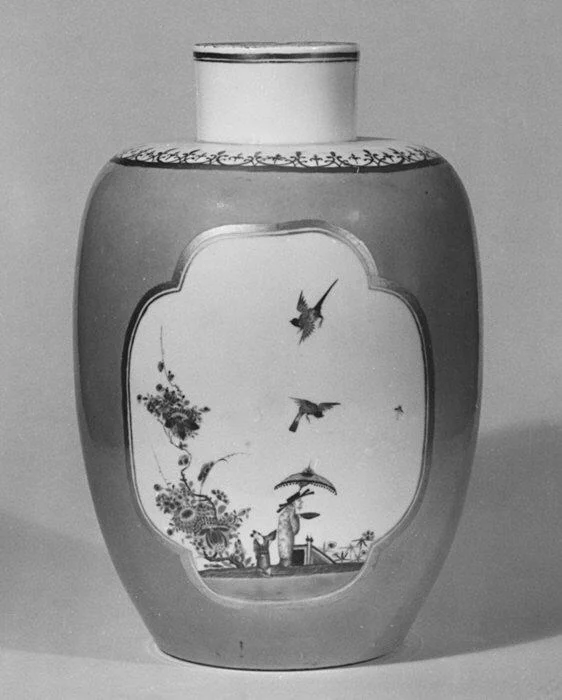
A Metropolitan Museum record offers a concrete example: a Meissen vase is dated 1730–35, while its decoration is dated around 1825. The date of one stage of production should not automatically be applied to the whole object.
For your own piece, ask whether body, decoration, cover and mounts are consistent with one another. Are any replacements or additions known? You do not have to resolve those questions yourself; document the features that allow a specialist to examine them.
Photographing a vase or service
For a vase, prepare front, back and side views, plus the base and upper rim, without risky handling. Photograph a cover separately only if it can be removed safely. State overall height and, where useful, height without the cover. A photograph of decoration alone does not describe the object’s shape.
For a service, count items by type: plates, cups, saucers, containers and covers. “A complete service” is a conclusion to check; a precise count is a recorded fact. Group photographs and details of differences between pieces help establish whether the collection is consistent or assembled over time.
Record known damage and restoration
Note chips, cracks, missing parts and visible repairs. Do not detach old joins or remove materials to see what lies beneath. Keep information about earlier restoration with the photographs, even when incomplete.
Avoid preparatory polishing or washing when materials and previous interventions are uncertain. For an initial assessment, acknowledging a limit of observation is preferable to attempting cleaning. If the object is fragile, agree examination and transport arrangements before moving it.
What is needed to discuss a sale?
A useful dossier combines photographs, dimensions, a component count, a condition description and available documents. Add the object’s current location so that an appointment or transport can be discussed. Owners in Ticino, other Swiss cantons or Italy can begin with this digital documentation.
Resemblance to an auction result does not predict the price. A comparison needs objects relevant in maker, period, form and condition. Before choosing a sale route, establish how secure the identification is.
Contact CFA through a valuation enquiry or selling with Colucci Fine Art. We receive visitors in Balerna by appointment. Acceptance and suitability for auction or private sale are confirmed individually.
Reference on marks: Victoria and Albert Museum, An A–Z of Ceramics.
Example and image: Meissen vase, 1730–35, decoration circa 1825. The Metropolitan Museum of Art, 1974.356.379. Museum record. Public domain. Museum illustration, not offered for sale by CFA.
Colucci Fine Art editorial team