Insights · 29/10/2026
Schaffhausen: when a painter becomes a collector
Hans Sturzenegger’s legacy helps distinguish an artist’s own work from the objects they chose to live with.
Colucci Fine Art · 2 min read
Not every painting in an artist’s home was necessarily made by that artist. Personal studies may hang beside gifts, purchases and images chosen simply for the pleasure of looking. When these objects pass to heirs, the remembered owner can too easily become the presumed maker.
A collection with several voices
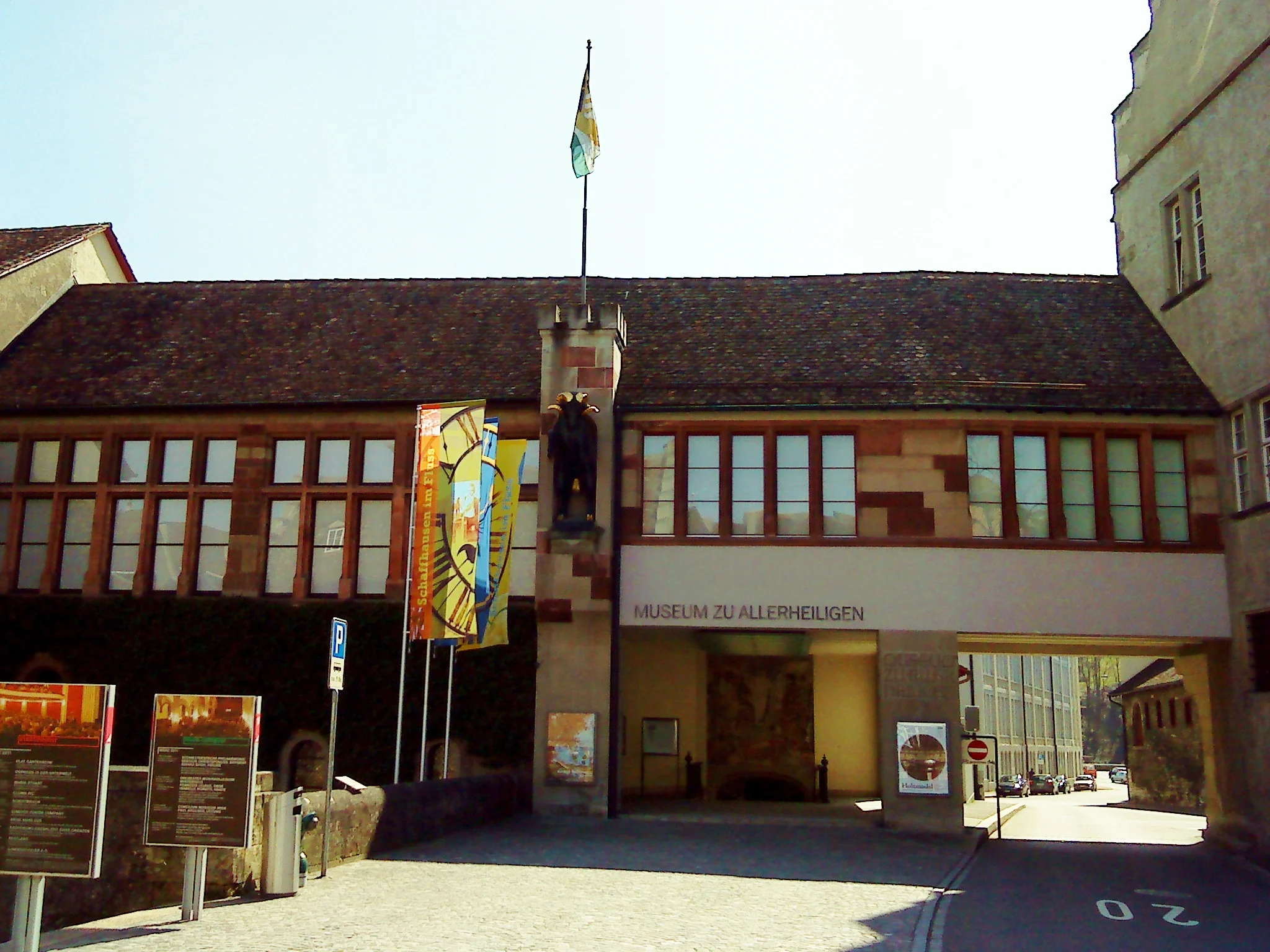
Schaffhausen’s Museum zu Allerheiligen brings together older painting and Swiss modernism. Its institutional collection account, dated 2015, names Tobias Stimmer, Ferdinand Hodler and Félix Vallotton, alongside loans from foundations and private owners.
The variety of acquisition histories matters as much as the variety of styles. A museum does not embody a single taste, and a domestic collection need not follow one programme. Encounters, journeys and friendships can provide another kind of coherence.
Hans Sturzenegger: making and choosing
Painter Hans Sturzenegger, who lived from 1875 to 1943, bequeathed his own works and a collection including Daumier lithographs and Japanese woodcuts to the museum. His legacy records two distinct activities: creating art and selecting the work of others.
This distinction helps when a family inventory says “uncle’s pictures”. It may mean pictures painted by the uncle or pictures he owned. The ambiguity needs resolving before the phrase becomes an attribution.
Three different relationships
Maker, owner and recipient of a dedication may be three different people. A signature concerns execution; a collection stamp concerns ownership history; a dedication records a relationship. None should automatically absorb the others.
Consider a landscape dedicated to a painter and visible in an old photograph of that painter’s studio. The photograph supports the work’s presence in that space. By itself, it does not identify its maker. Respecting this distinction preserves the document’s usefulness without asking it to answer a different question.
Discussing a Schaffhausen collection
For a valuation or possible auction consignment, separate documented attributions from oral traditions in your list. Transcribe inscriptions without improving them and identify objects from the same setting. An apparently mixed group may deserve consideration together before its presentation is decided.
CFA reviews documentation from its Balerna premises. Museum references explain collecting history; they do not imply partnerships or works available for sale.
Presenting a work to Colucci Fine Art
For an initial discussion, send clear front and back photographs, dimensions and available documents through our valuation enquiry. To discuss a possible consignment, see selling with CFA. Our premises are in Balerna, Ticino; an initial review of the documentation precedes any decision about a sale.
Sources and further reading
- Museum zu Allerheiligen — Le collezioni, documento 2015
- Dizionario storico della Svizzera — Hans Sturzenegger
Image: Museum zu Allerheiligen, Sciaffusa, ingresso, fotografia del 2011. Wandervogel · CC BY-SA 3.0 · Wikimedia Commons. Photograph reproduced with automatic web resizing.
CFA Editorial