Insights · 03/11/2026
Rome: attributing a Baroque painting between master, workshop and follower
How to distinguish attribution evidence, workshop production and later versions when studying a Baroque painting in Rome.
Colucci Fine Art · 2 min read

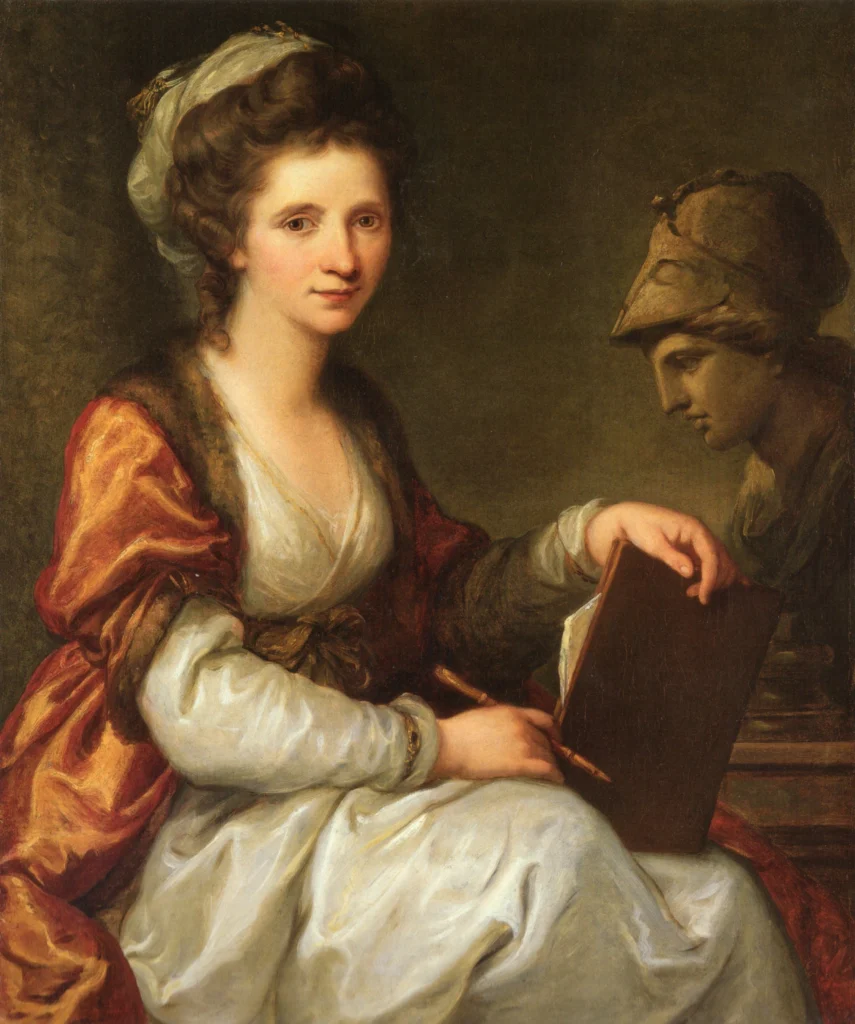
A Baroque painting kept in Rome may have passed through centuries of attributions: great masters’ names written on the reverse, dealers’ labels, old catalogues and family traditions often overlap. The risk is to treat these traces as equivalent evidence. Sound art-historical research separates observable facts from what remains hypothetical.
Workshop culture in the seventeenth century
Roman painting in the seventeenth century also developed through studios, collaborations and the reuse of successful models. The same composition could circulate as originals, replicas, contemporary copies and later versions. Strong iconographic similarity does not automatically identify the artist’s hand. The decisive questions concern painterly quality, technique, compositional structure and the relationship with documented works.
Four terms that must not be confused
‘By’ entails a direct attribution; ‘workshop of’ proposes production within the master’s working environment; ‘circle of’ identifies a closely related stylistic context; ‘follower of’ describes a generally more indirect relationship. The use of these terms requires argument and may vary between scholarly studies and auction catalogues. The most famous name is not always the most plausible hypothesis.
The reverse of a painting as an archive
Before considering a sale, photographs of the support, crossbars, nails, labels and stamps record information that might otherwise be lost. Old restorations are not necessarily wholly negative: they must be distinguished from structural alterations and reworkings affecting the interpretation of the work. Any technical analysis should address a precise question, not be requested indiscriminately.
Comparing a painting with a catalogue raisonné
The literature helps establish whether the subject is recorded, which versions are known, which provenances are documented and how the attribution history has changed. A poor-quality reproduction can conceal decisive differences. Omission from a catalogue is not, by itself, proof of falsity; it may make further study necessary.
A cautious approach to selling
The owner should seek an initial documentary assessment, then establish whether direct examination, deeper provenance research and relevant market comparisons are needed. For any transfer from Italy to Switzerland, applicable cultural-property requirements must be checked in advance, without assuming that a sale or consultation automatically authorises export.
Colucci Fine Art & Auctions operates from Balerna. A painting in Rome can be submitted through photographs and preliminary documentation; only further analysis can guide a possible sale. Colucci Fine Art has no premises in Rome.
Colucci Fine Art & Auctions Editorial Team · Colucci Art Magazine