Insights · 28/10/2026
Sachseln, 1976–2026: fifty years of a museum and the value of memory
Museum Bruder Klaus in Obwalden suggests ways to organise devotional images, letters and family keepsakes while distinguishing testimony from attribution.
Colucci Fine Art · 3 min read
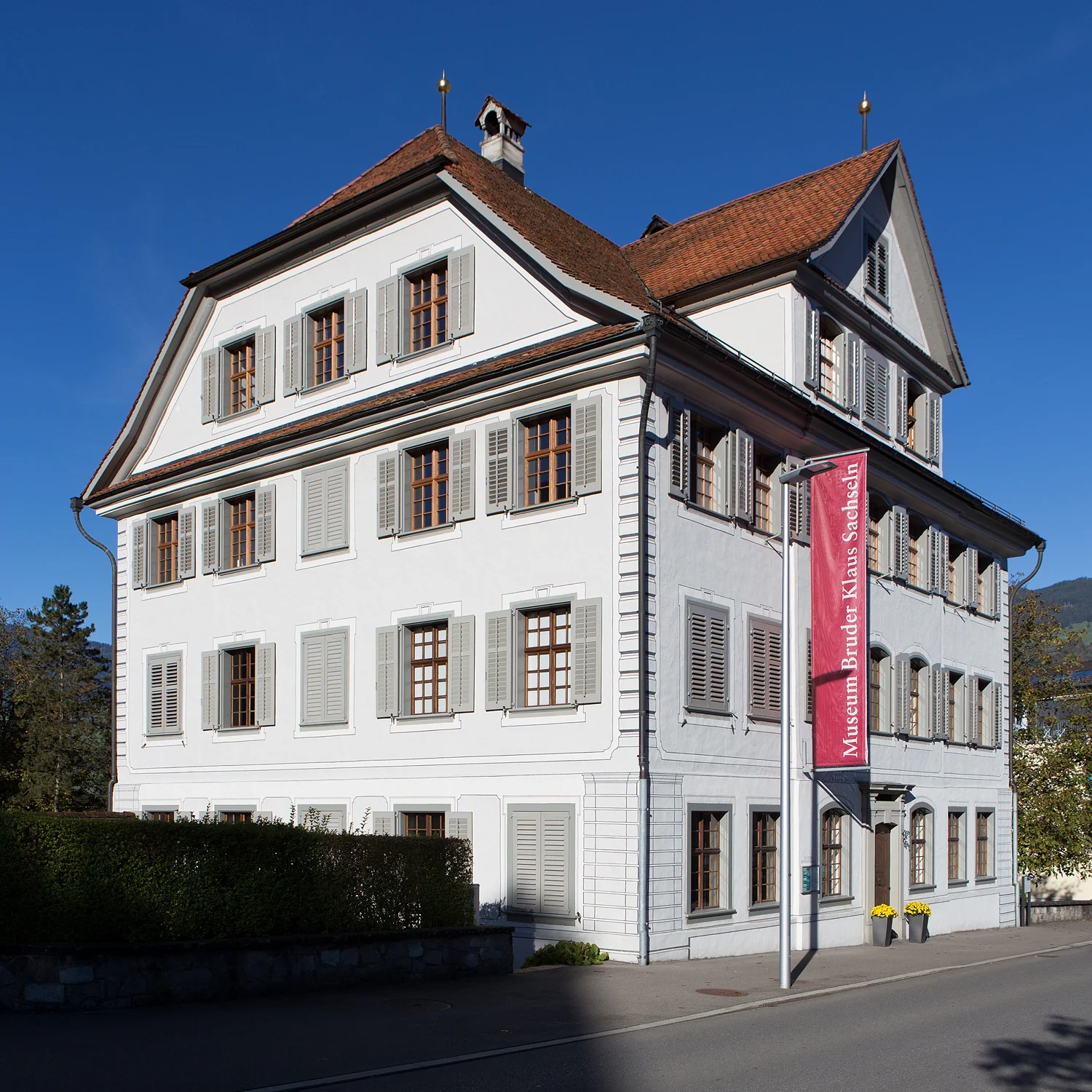
A house, a garden, a collection: a museum does not come into being all at once. In Sachseln, Museum Bruder Klaus occupies a building from 1784 and brings history, religion and art into dialogue. Its permanent exhibition explores Niklaus von Flüe and his wife Dorothee Wyss.
An anniversary that has become history
The weekend of 25–27 September 2026 marked fifty years of the museum, opened in 1976. The event has passed; we recall it as a milestone in the institution’s life. The exhibition Vom Haus zum Museum traces its formation through testimony and documents.
Attention to how a collection develops also helps private owners. A photograph, letter and painting kept together do not necessarily record the same episode. Their relationship should be described rather than assumed: who brought them together, when and for what reason?

A letter contains more than its words
In the reproduction, writing occupies a sheet marked by folds and interruptions in its surface. Before attempting to read it, we can distinguish handwriting, support and traces of use. These are insufficient for authentication, but suggest questions to ask of the document.
For a family letter, record sender, recipient and date only when legible or documented. If a modern transcription accompanies the original, retain it separately with a clear reference connecting the two. Do not turn an indistinct signature into a famous name through visual resemblance.
Devotional images and family histories
A religious subject may have accompanied generations without the object being as old as its model. Identifying the subject and dating the object are separate problems. A print, painting and photographic reproduction can show the same figure while requiring different expertise.
Before moving or selling a small collection, assign temporary numbers in photographs and record where pieces were kept. Avoid adhesive labels on their surfaces. Retain frames, envelopes and notes: an inscription on a container may explain a connection that the image alone cannot reveal.
From Obwalden to an initial review
CFA in Balerna can receive photographs and initial information about artworks and collectables from Obwalden. Family memories deserve recording even when they do not determine commercial value. Research must distinguish historical interest, material quality and sale potential, without promising that they coincide. The museum is an independent cultural reference.
Presenting a work to Colucci Fine Art
For an initial discussion, send clear front and back photographs, dimensions and available documents through our valuation enquiry. To discuss a possible consignment, see selling with CFA. Our premises are in Balerna, Ticino; an initial review of the documentation precedes any decision about a sale.
Sources and further reading
- Museum Bruder Klaus — 50 Jahre, 25–27 settembre 2026
- Museum Bruder Klaus — Ausstellungen
- Museum Bruder Klaus — Vom Haus zum Museum
Image: Museum Bruder Klaus, Sachseln, fotografia del 2014. Roland Zumbuehl · CC BY-SA 4.0 · Wikimedia Commons. Photograph reproduced with automatic web resizing.
CFA Editorial