Insights · 28/10/2026
Torba Monastery: learning to look at the traces of time
Not everything that makes a work meaningful is immediately legible. A worn surface, a fragment or an interrupted figure can demand more attention than a perfectly preserved image…
Colucci Fine Art · 2 min read
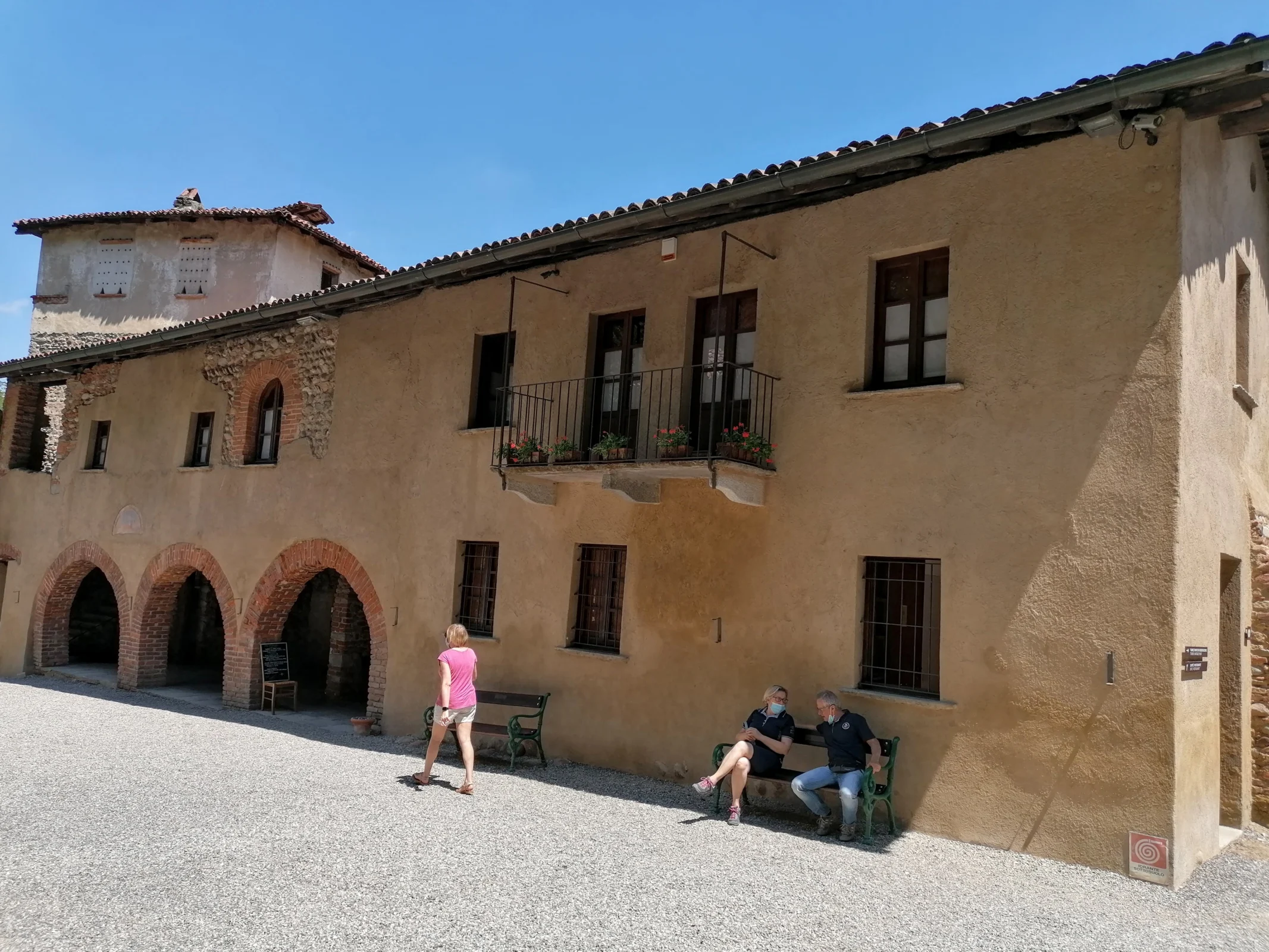
Not everything that makes a work meaningful is immediately legible. A worn surface, a fragment or an interrupted figure can demand more attention than a perfectly preserved image. Torba Monastery, near Varese, encourages this kind of observation.
A place with several lives
FAI describes the tower’s transition from defensive structure to religious space with the Benedictine settlement in the eighth century. Since 2011, Torba has belonged to the serial UNESCO site of the Longobards in Italy. Building and paintings testify to successive uses, rather than a history fixed at one moment.
This perspective is useful when examining an old painting: its present surface also results from its passage through time. A loss does not by itself reveal when it occurred; a repair cannot identify its maker without investigation. Description of what is visible and historical reconstruction should work together while remaining distinguishable.
Conservation: record before intervening
Within a private collection, an old photograph may show an earlier condition. A conservation report may explain treatments invisible to the naked eye. Gathering these records makes it possible to ask a conservator precise questions, rather than attempting improvised cleaning to make the work more attractive.
If lifting paint, unstable components or detached areas are visible, do not manipulate the object to obtain a better photograph. The observed fragility is itself the first information to communicate. For wall paintings or elements integrated into a building, begin with documentation in place, without presuming they can be removed or sold.
Condition within valuation
Two works of similar subject can have very different conservation histories. A responsible assessment considers quality and material integrity alongside legibility and the need for further investigation. There is no universal percentage to deduct from a price for every defect.
For owners of paintings and antiques between Varese, Como and Ticino, a dossier including problems makes the discussion with CFA more useful. Torba is cited as cultural heritage to understand and preserve, not as a source of objects available on the market. No affiliation with FAI is implied.
Presenting a work to Colucci Fine Art
For an initial discussion, send clear front and back photographs, dimensions and available documents through our valuation enquiry. To discuss a possible consignment, see selling with CFA. Our premises are in Balerna, Ticino; an initial review of the documentation precedes any decision about a sale.
Sources and further reading
Image: Monastero di Torba – Torba (Gornate Olona). Capricornis crispus · CC BY-SA 4.0 · Wikimedia Commons. Photograph reproduced with automatic web resizing.
CFA Editorial