Insights · 29/10/2026
Glarus: Swiss landscape between local memory and collecting history
A family landscape raises three separate questions: where it depicts, who painted it and how it entered the collection.
Colucci Fine Art · 2 min read
A lake enclosed by mountains seems to offer an immediate answer: “That is our landscape.” Yet recognising a place does not identify its painter. In Swiss family collections, a landscape can preserve a journey, an aesthetic choice and a purchase history. These deserve separate consideration before requesting a valuation.
A changing collection since 1870
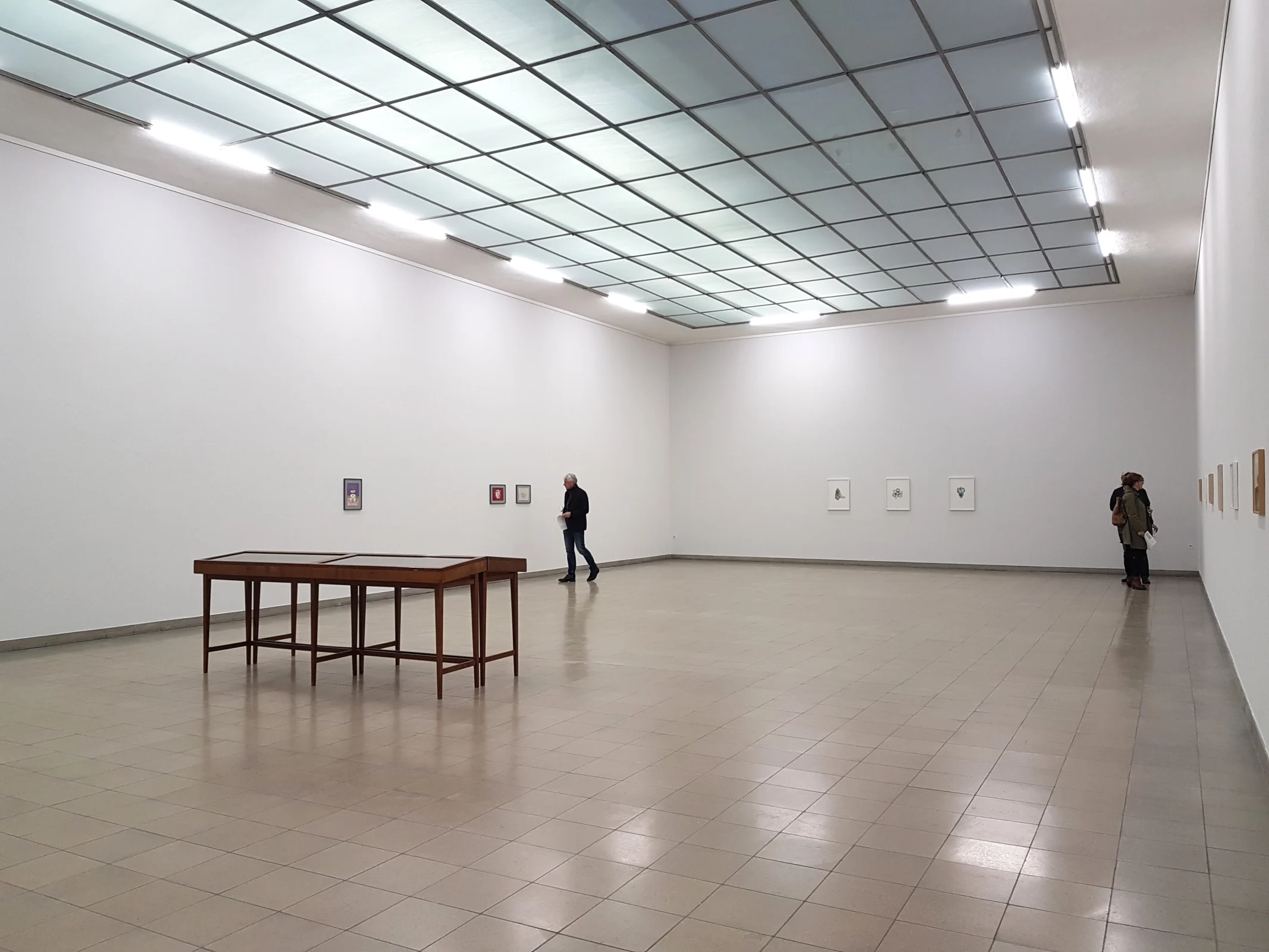
The Glarner Kunstverein has collected since 1870. The Kunsthaus history records purchases of Swiss landscapes by Koller, Stäger and Steffan, followed by other artistic approaches. The collection is not permanently displayed in its entirety.
This suggests looking at a private collection as a sequence of decisions, not simply a group of pictures. Neighbouring landscapes may have entered a house decades apart. An apparently consistent taste may reflect successive inheritances rather than a single collector’s plan.
Three questions before the mountain
Which place is represented? Who made the work? How did it reach the collection? One answer does not replace the others. A title on an old frame records what someone called the painting; it does not necessarily preserve the artist’s own title. A recognisable mountain needs comparison with the viewpoint as well as its outline.
Observe the arrangement of space: the foreground, the transition into distance and the proportion of sky. Record what is visible before proposing an attribution. Loose brushwork alone cannot date a painting, while a traditional composition may have been revisited much later.
Reverse and family photographs
An interior photograph may establish that a picture was present on a particular occasion. To connect it with the current object, compare details, proportions and framing rather than subject alone. Keep the complete photograph and distinguish known dates from estimated ones.
Photograph accessible labels and numbers without risky dismantling. Transcribe them separately. An isolated number is a clue to connect with an inventory, not a complete provenance.
Presenting a Glarus collection to CFA
Send an overview and individual photographs to discuss a possible sale. CFA is based in Balerna; a painting in Canton Glarus need not be transported immediately to begin an initial discussion. Reviewing the images can help identify the next useful checks. The Kunsthaus is an independent cultural reference, not a commercial partner of CFA.
Presenting a work to Colucci Fine Art
For an initial discussion, send clear front and back photographs, dimensions and available documents through our valuation enquiry. To discuss a possible consignment, see selling with CFA. Our premises are in Balerna, Ticino; an initial review of the documentation precedes any decision about a sale.
Sources and further reading
Image: Kunsthaus Glarus, sala espositiva — fotografia di contesto. Myriam Thyes · CC BY-SA 4.0 · Wikimedia Commons. Photograph reproduced with automatic web resizing.
CFA Editorial