Insights · 28/10/2026
Antique frames: documenting them before valuing or selling a painting
A frame deserves its own record: dimensions, construction, decoration and known restoration to document before a painting is valued.
Colucci Fine Art · 3 min read
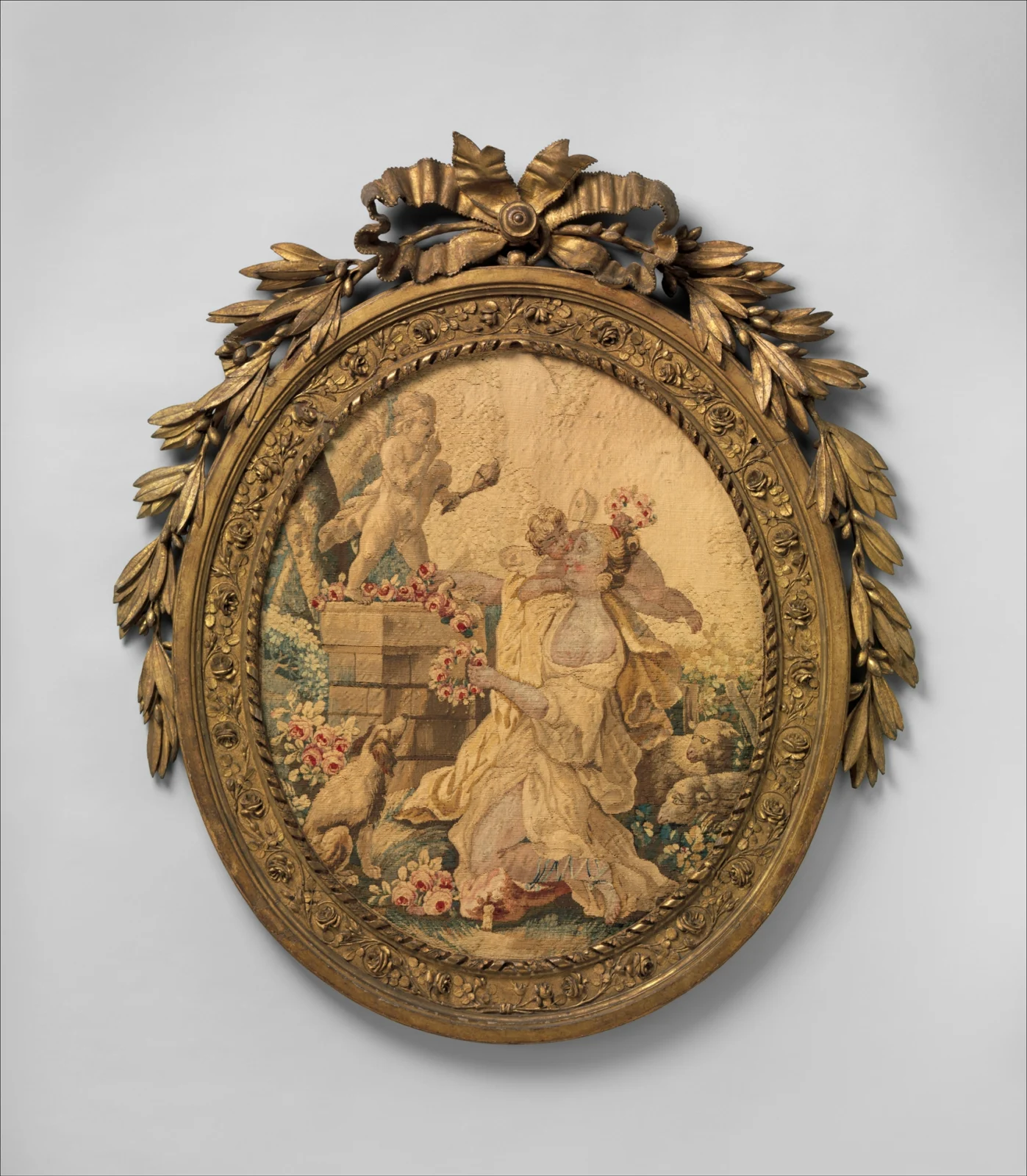
When a painting is photographed for valuation, its frame is often cropped out or described simply as “gilt”. Yet it deserves a record of its own. Before a sale, document both the picture and its surround without assuming they share the same date or history. Careful description helps a specialist distinguish what is known from what needs examination.
A separate record linked to the painting
Give the frame a reference linked to the painting’s inventory number. Identify materials only when known. If you are unsure whether an ornament is carved wood or another material, describe its appearance and leave the question open. Colour and apparent style alone do not establish technique or date.
Record evidence of the relationship between frame and picture. A family photograph may show that they were together at a particular time, but it does not necessarily prove they were made for each other. A framing invoice can document a specific intervention. Preserve both kinds of evidence while distinguishing what each establishes.
Keep measurements distinct
For an initial enquiry, give external height and width, followed by the visible opening. Record the painting’s dimensions separately if available from reliable documentation. Where the support is concealed by the frame, state that it has not been measured rather than dismantling the work.
Depth and thickness may help describe the overall size, but should be measured only when safe. Protruding ornament can be fragile. Do not lift the framed painting by decorative leaves or other projecting details.
Useful photographs
Include the complete front, all four corners and details of damage. The back may hold inscriptions, labels and evidence of construction or alterations. Photograph it only if safely accessible; do not remove protective coverings or take out the painting to complete the dossier.
Even lighting helps show the whole frame; an additional side-lit view can reveal relief. Avoid filters that change the surface colour. If one area looks brighter or different, record it without deciding that it must be original or restored.
Known restoration and alterations
Gather restoration invoices and earlier photographs. Report reductions, extensions, replacements and regilding when known or documented. Otherwise phrase the observation as a question. A visible join does not by itself explain the object’s entire history.
Do not use metal polish or apply retouching before assessment. A surface that appears dirty may require conservation advice. Keep any already detached fragments without attempting household repairs and record their original position if known.
Assess the relationship before separating the objects
The commercial question concerns more than the frame’s isolated value. Its relationship to the painting, condition and documentation all matter. A decision to separate them should follow examination. An old frame does not make a painting old; an old painting may have a recent frame.
Owners in Ticino, elsewhere in Switzerland or Italy can begin with a digital dossier before moving the work. Send a valuation enquiry or discuss selling with Colucci Fine Art. Visits to Balerna are by appointment; acceptance and sale arrangements are confirmed individually.
Image: French frame, eighteenth century, carved and gilded wood. The Metropolitan Museum of Art, 07.225.431b. Museum record. Public domain. Illustration, not offered for sale by CFA.
Colucci Fine Art editorial team