Insights · 03/11/2026
A painting’s condition report: how to read it before an auction
What to ask about condition, restoration and examination limits before bidding on a painting at auction.
Colucci Fine Art · 2 min read
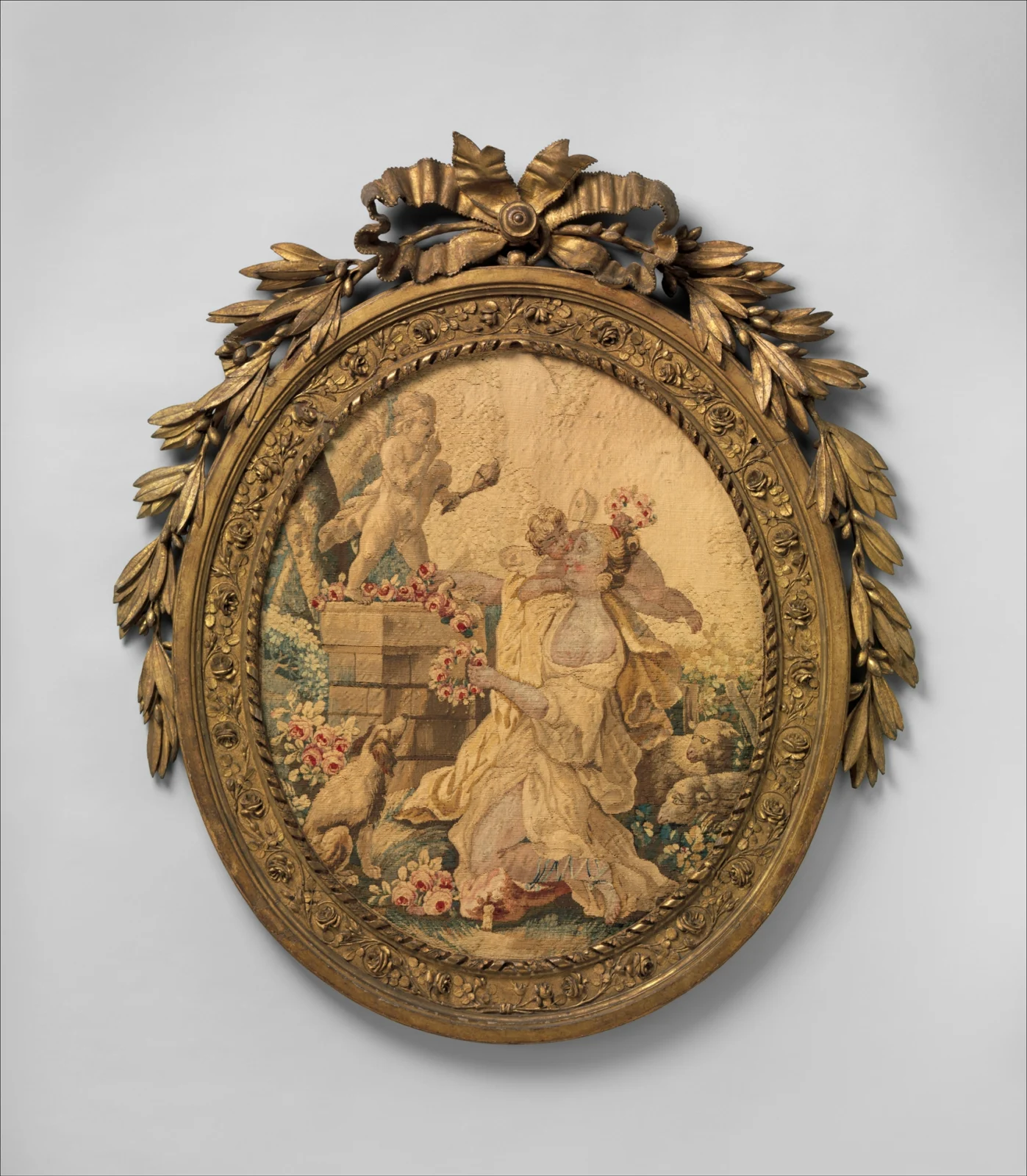
Two paintings with the same subject and similar dimensions can look very different on close examination. Before buying at auction, a general photograph should therefore be accompanied by information about condition. A condition report describes the state of the work: its content and scope must be read alongside the auction house’s conditions of sale.
Looking for a judgement such as ‘good condition’ is not enough. It is more useful to understand which parts were examined, what was observed and what remains to be checked.
Read the observations, not just the adjectives
A useful description locates what it reports. ‘Visible interventions in the lower area’ identifies something to investigate; ‘restored painting’ leaves many questions open. If the wording is general, request images of the relevant area and clarification of the circumstances in which the examination was carried out.
The practical question is: how much of what I see belongs to the original surface and how much to its conservation history? A definitive answer is not always possible, but separating observations from hypotheses avoids turning an impression into certainty.
What to ask before bidding
- Was the painting examined in person, and on what date?
- Was the reverse accessible or covered?
- Are photographs of the reported details available?
- Is there a previous conservation treatment report?
- Are there limitations to the examination to consider?
The answers help determine whether the available information is sufficient for your decision. If a condition issue is decisive, seek a professional examination before committing to the purchase.
Restoration cannot be judged by an automatic percentage
Applying the same price reduction to every restored work is unwise. Assessment must consider the individual object and the nature of the interventions. The Canadian Conservation Institute notes, for example, that overpaint may be difficult to distinguish from original materials and can pose conservation problems.
For a collector, knowing where an intervention is and how it affects the reading of the painting is therefore more useful than an abstract formula. Conclusions about value still require an overall assessment of the work and its market.
Keep the report with the documentation
Archive the document received, its date, the photographs and any written replies. When comparing descriptions written at different times, check that they concern the same object and use comparable criteria. A change in wording does not by itself prove a physical change.
Owners submitting a painting to Colucci Fine Art & Auctions can attach existing conservation reports to their valuation request. Restoration is not required before submitting a work: it is preferable to discuss research and conservation needs first.
References: Christie’s, Auction glossary, Condition report entry; Canadian Conservation Institute, Caring for paintings.

Image: French frame, eighteenth century, carved and gilt wood. The Metropolitan Museum of Art, accession 07.225.431b. Museum record. Public domain. Illustrative example, not offered for sale by CFA.