Insights · 03/11/2026
Bellinzona: historic devotional paintings, inventories and family provenance
Historic paintings in Bellinzona: identifying sacred subjects, reading family inventories and documenting provenance and condition.
Colucci Fine Art · 3 min read
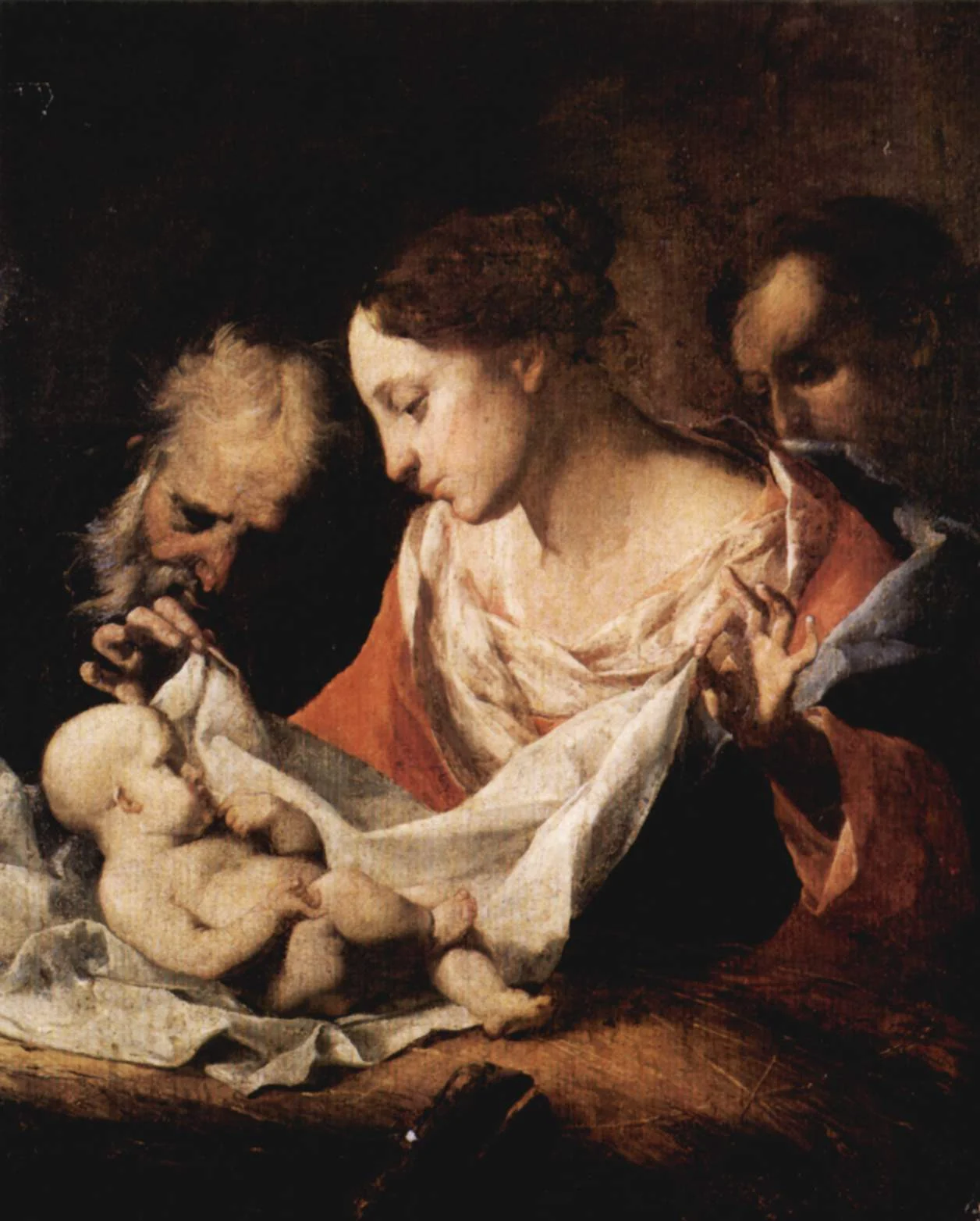
A devotional painting kept in a home in Bellinzona may have been bought as a work of art, received as a gift or passed down as a family keepsake. Recognising the saint depicted is not enough to establish whether it warrants art-historical research. Iconography, materials, attribution and ownership history must be distinguished, often on the basis of only a few clues.
A sacred subject does not identify the artist
Madonnas, penitent saints and scenes of the Passion recur across many schools and over long periods. A model might be adopted by pupils, itinerant painters or copyists of later periods. Analysis begins with format, support, ground, the quality of the flesh painting and the way light shapes the figures. Comparison with museum works is useful only when similarities and differences are specified, avoiding attributions based on subject alone.
From the home to the archive: reconstructing provenance
Household inventories, testamentary bequests and photographs of interiors can provide reference points. A list referring simply to “a painting of the Madonna” cannot identify a work, whereas dimensions, frame, description and date may narrow the possibilities. It is prudent to distinguish private property from works belonging to religious or public bodies, which are subject to specific obligations and procedures.
The reverse as material evidence
Nails, crossbars, lining canvases and old labels should be recorded in clear photographs, without improvised dismantling. A seemingly secondary frame may retain exhibition labels or inventory numbers. Restoration does not necessarily erase historical value, but its extent and effect on the reading of the work must be assessed before any commercial valuation is given.
An example to guide assessment
A family finds two religious paintings purchased in the twentieth century. The first bears an old numbered label; the second has only a barely legible signature. The first document may open up archival research; the signature on the second is not, by itself, a guarantee of authorship. A methodical comparison of the two cases avoids hasty estimates.
Documents to prepare
- Front and reverse of the painting, without removing the frame
- Dimensions in centimetres and photographs of labels, seals or numbers
- Family records or inventories with verifiable dates
Can a photograph establish an attribution?
It can enable an initial assessment and suggest comparisons to pursue, but a reasoned attribution may require direct examination, specialist literature and technical analysis. An estimate based on photographs remains indicative.
A preliminary valuation with Colucci Fine Art
Colucci Fine Art & Auctions is based at Via San Gottardo 98 in Balerna, Canton Ticino, and has no branch in Bellinzona. Owners wishing to submit a work can begin with photographs and documentation for a preliminary valuation, which is indicative and intended to explore a possible sale. Possible consignment arrangements are outlined in sell with us; in-person examination, transport, insurance and applicable formalities are agreed separately.
Colucci Art Magazine · Colucci Fine Art & Auctions Editorial Team | Editorial feature, not an individual expert report.
Image: Giuseppe Antonio Petrini, Holy Family — MASI Lugano. Giuseppe Antonio Petrini · Public domain · Wikimedia Commons. Photograph reproduced with automatic resizing for the web.